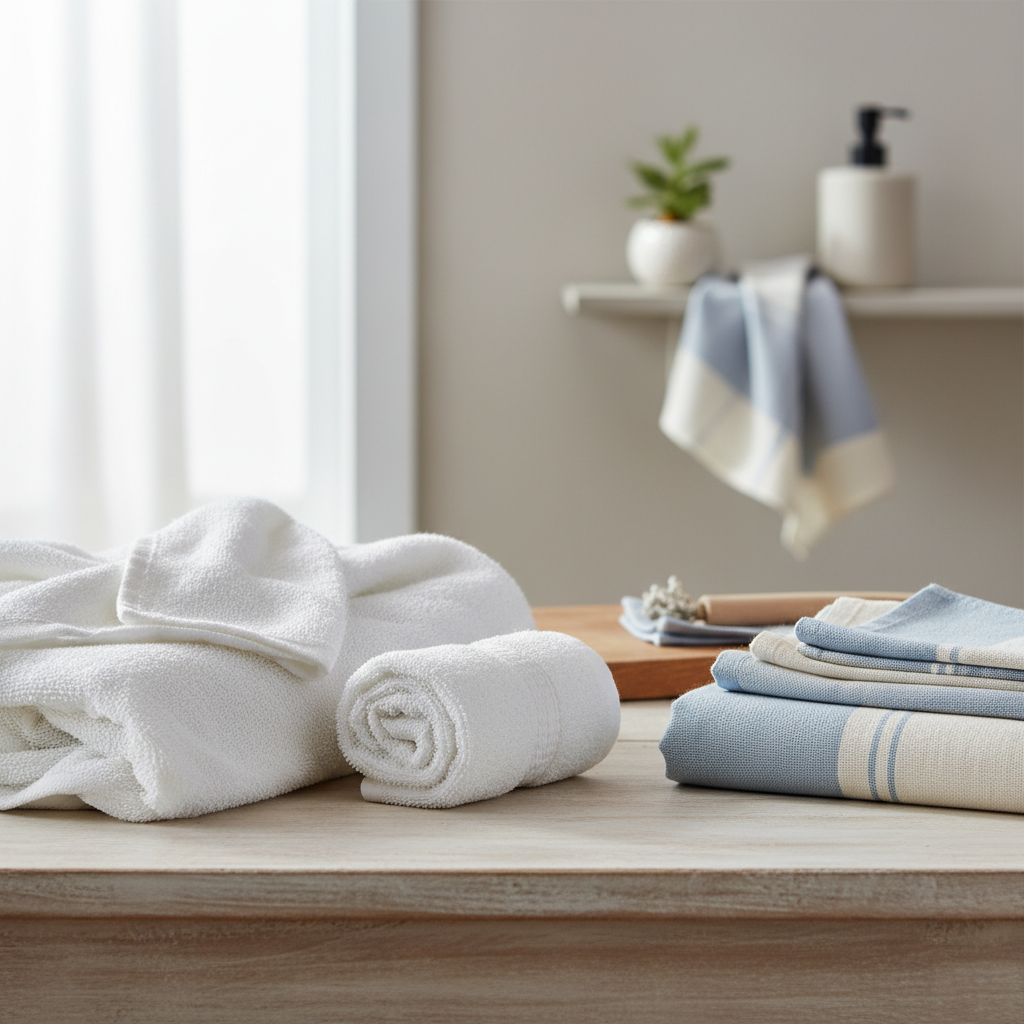
We all love the idea of soft, fluffy towels. That fresh scent, the smooth feel against our skin – it’s a small luxury that fabric softener promises to deliver. But what if that very product, designed to enhance your laundry experience, is actually working against your towels, stripping away their core function, and even affecting your washing machine? As someone who has spent years diving deep into the world of textiles and home care, I’m here to tell you the surprising truth about why it’s time to rethink your relationship with fabric softener when it comes to your beloved towels.
What is Fabric Softener and How Does It Work?
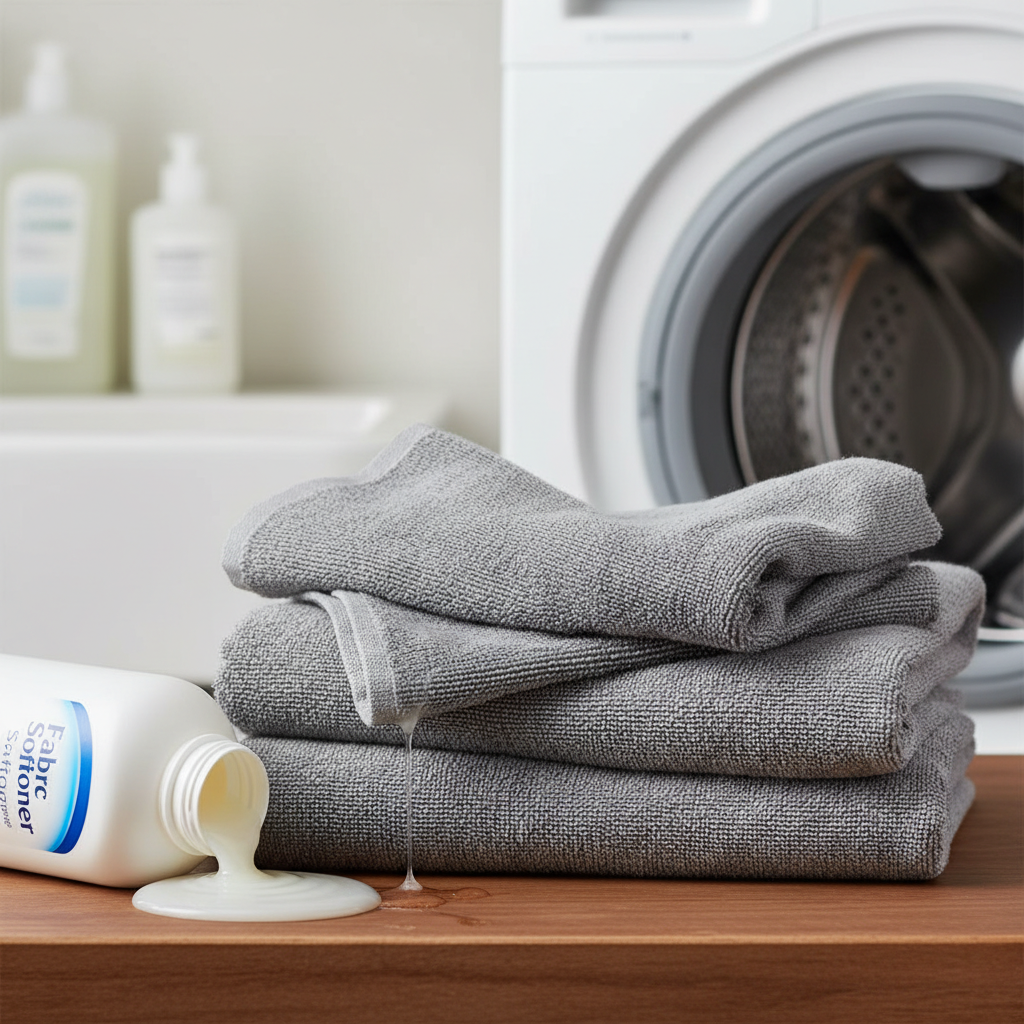
Fabric softener, often marketed as a way to make clothes feel luxurious and smell wonderful, is a chemical conditioner. Its primary function is to deposit a thin, lubricating layer of cationic surfactants – think of them as positively charged molecules – onto the fibers of your laundry during the rinse cycle. This coating reduces friction between fibers, making them feel smoother and softer to the touch, and also helps to minimize static cling.
The key to understanding why it’s problematic for towels lies in that word: “coating.” Fabric softener doesn’t actually clean your laundry or inherently soften the fibers from within. Instead, it forms a waxy film on the surface. While this might be desirable for some garments, for items like towels, whose primary job is absorbency, this coating becomes a major issue.
The Hidden Downsides: Why Fabric Softener Harms Your Towels
The consequences of regularly using fabric softener on towels are far-reaching, impacting their performance, longevity, and even the efficiency of your laundry appliances.
Reduced Absorbency: The Primary Offender
|
Our Picks for the Best Kitchen towel in 2026
As an Amazon Associate I earn from qualifying purchases.
|
||
| Num | Product | Action |
|---|---|---|
| 1 | Scott Paper Towels, Choose-A-Sheet, 6 Double Rolls = 12 Regular Rolls (108 Sheets Per Roll) |

|
| 2 | Premium Kitchen Towels (20”x 28”, 6 Pack) | Large Cotton Dish Towels | Flat & Terry Highly Absorbent Kitchen Linen Set with Hanging Loop | Gray |
|
| 3 | Sparkle Pick-A-Size Paper Towels, 6 Double Rolls (660 Sheets Total) - Strong 2-Ply Towels for Kitchen Cleanup and Everyday Messes |
|
| 4 | Bounty Quick-Size Paper Towels, White, 8 Family Triple Rolls = 27 Regular Rolls |
|
| 5 | Miss Adola 2pcs Microfiber Kitchen Towels - Boho Kitchen Towels Set of 2 with Hanging Loop Decorative Absorbent 18x26 Inch Hand Towel Colorful Design Dish Cloth for Housewarming Gift, Mandala |
|
| 6 | Bounty Quick Size Paper Towels, White, 8 Family Rolls |
|
| 7 | Bounty Paper Towels Quick Size, White, 16 Family Rolls = 40 Regular Rolls |
|
| 8 | LANE LINEN Cotton Kitchen Towels Set, 6-Pack – Absorbent, Quick-Drying Dish Towels, 18" x 28", Premium Hand and Tea Towels - Olive |
|
| 9 | Miss Adola Flour Sack Kitchen Towels - Set of 2 Chinoiserie Dish Towels with Hanging Loop 18x26 Inch Absorbent Decorative Cotton Tea Towel Blue and White Dishcloths for Cleaning, Bird Flower |
|
| 10 | Homaxy 100% Cotton Waffle Weave Kitchen Dish Cloths, Ultra Soft Absorbent Quick Drying Dish Towels, 12 x 12 Inches, 6-Pack, Dark Grey |
|
The most significant problem with fabric softener on towels is its detrimental effect on absorbency. Towels are designed with countless tiny loops in their fabric structure to draw in and hold water. The waxy residue left by fabric softener coats these loops, acting as a barrier that repels water rather than absorbing it. This means your “soft” towel might simply push water around on your skin instead of drying you effectively, leaving you feeling damp and frustrated.
Greasy, Waxy, or Stiff Feel
Paradoxically, while fabric softener aims to create softness, its continuous use can make towels feel less desirable. The buildup can transform that desired plushness into a greasy, waxy, or even stiff texture over time. This slick coating diminishes the natural feel of cotton or other towel materials, replacing it with an artificial and often unpleasant sensation.
Traps Dirt, Bacteria, and Lingering Odors
Because fabric softener coats the fibers, it can also trap residual dirt, detergent, and even bacteria within the fabric. This not only makes your towels less hygienic but can also lead to lingering, musty odors that are difficult to wash out, even after multiple cycles. The softener prevents a thorough rinse, leaving behind a film that acts as a magnet for grime.
Flattens Fibers and Reduces Breathability
The chemical coating from fabric softener can weigh down and flatten the natural loops of cotton and other towel fibers. This action robs towels of their inherent fluffiness and breathability, making them feel less plush and airy. Over time, this can lead to towels feeling matted and losing their original luxurious texture.
Potential Harm to Your Washing Machine and Dryer
The sticky residue from fabric softener doesn’t just cling to your towels; it can also accumulate within your laundry appliances. This buildup can clog the dispenser trays in your washing machine, making them less effective, and can also accumulate on the lint filter and other internal components of your dryer. Clogged filters restrict airflow, leading to longer drying times, increased energy consumption, and in severe cases, even posing a fire hazard.
Dulling Colors and Dingy Whites
The residue left by fabric softener can trap tiny particles of dirt and detergent, causing your whites to appear dingy and your colors to lose their vibrancy over time. Instead of enhancing the look of your laundry, it can contribute to a dull, tired appearance, making your towels look older than they are.
Beyond Towels: Other Fabrics to Avoid Fabric Softener On
While towels are often the most noticeable victims, fabric softener can also compromise the performance of other specialized fabrics.
- Microfiber Cloths: Designed with microscopic fibers to pick up dirt and absorb liquids efficiently, microfiber cloths lose their effectiveness when coated with fabric softener. The softener fills the tiny spaces, rendering them useless for cleaning.
- Athletic Wear and Moisture-Wicking Fabrics: These garments rely on their technical fibers to pull moisture away from your skin. Fabric softener creates a barrier that prevents this wicking action, making your workout clothes less effective and potentially trapping odors.
- Flame-Retardant Clothing: For items like children’s sleepwear that are treated with flame retardants, fabric softener can reduce the effectiveness of these protective chemicals, posing a safety risk.
How to Keep Your Towels Soft and Absorbent (Without Fabric Softener)
Ditching fabric softener doesn’t mean sacrificing soft, absorbent towels. In fact, by implementing a few simple changes, you can restore and maintain their plushness naturally.
Harness the Power of White Vinegar
White distilled vinegar is a natural hero in the laundry room. Adding half a cup of white vinegar to your washer’s fabric softener dispenser during the rinse cycle will act as a natural softener, help break down existing residue, and eliminate lingering odors. Don’t worry about the smell – it dissipates completely during the rinse and dry cycles, leaving your towels fresh and soft.
Utilize Baking Soda or Washing Soda
For an extra boost of softness and freshness, add half a cup of baking soda or washing soda directly to the wash drum along with your detergent. These natural ingredients help to lift dirt, neutralize odors, and naturally soften water, leading to cleaner, fluffier towels.
Prevent Overloading Your Washer
Resist the urge to cram too many towels into a single wash. Overloading the machine prevents proper water circulation and rinsing, leading to detergent and residue buildup. Give your towels ample space to move freely during the wash and rinse cycles.
Wash Towels Separately
Washing towels in their own load prevents lint transfer from other garments and ensures they receive the dedicated attention needed for a thorough clean and rinse, optimizing their absorbency and feel.
Be Mindful of Detergent Usage
Using too much detergent can leave a sticky residue on your towels, much like fabric softener. Follow the manufacturer’s recommendations or even consider using slightly less, especially if you have soft water.
Embrace Wool Dryer Balls
Instead of dryer sheets, opt for wool dryer balls. These natural, reusable balls tumble with your towels in the dryer, helping to separate the fibers, reduce drying time, minimize static, and naturally fluff them up without any chemical coating. For an added fresh scent, you can put a few drops of essential oil on the wool balls before drying.
Shake Them Out
Before tossing your wet towels into the dryer, give each one a good shake. This simple action helps to untangle the fibers and fluff them up, promoting better air circulation and a softer finish. Do it again when they come out of the dryer.
Dry Properly
Avoid over-drying your towels, as excessive heat can damage fibers and make them feel stiff. Dry them just until they are thoroughly dry. If possible, consider line-drying outdoors for a natural freshness and softness, or use a medium heat setting in your dryer.
Conclusion
The quest for soft, fluffy towels often leads us down the path of fabric softener, but the truth is, this seemingly helpful product can be detrimental to your towels’ core function: absorbency. By coating fibers with a waxy residue, fabric softener diminishes their ability to dry effectively, traps dirt and odors, and can even impact your laundry appliances. Embracing natural alternatives like white vinegar and wool dryer balls, coupled with good laundry practices, will help you achieve the truly soft, fresh, and absorbent towels you desire, without the hidden drawbacks.
Are you ready to break up with fabric softener and experience the difference for yourself? Give these tips a try and rediscover the joy of genuinely clean and absorbent towels!
Frequently Asked Questions
Why do my towels feel stiff even after using fabric softener?
Fabric softener can actually make towels feel stiff over time because the waxy buildup coats the fibers, preventing them from being truly clean and flexible. This residue can also trap hard water minerals, contributing to stiffness rather than softness.
Can I use fabric softener on some towels but not others?
It’s generally recommended to avoid fabric softener on all types of absorbent towels, including bath towels, hand towels, and kitchen towels, as it will reduce their ability to soak up water. If you have decorative towels not intended for drying, occasional use might be acceptable, but for functional towels, skip it.
How do I remove fabric softener buildup from my towels?
To remove buildup, wash your towels in hot water with one cup of white vinegar instead of detergent. For stubborn residue, add half a cup of baking soda directly to the wash cycle along with the vinegar. You may need to repeat this process a couple of times.
Are dryer sheets also bad for towels?
Yes, dryer sheets contain similar waxy compounds that can transfer to towels, leading to the same issues of reduced absorbency and residue buildup. For soft, static-free towels, wool dryer balls are a much better alternative.
How often should I wash my towels?
Bath towels should ideally be washed every three to four uses to maintain hygiene and freshness. Hand towels and kitchen towels, which see more frequent use and potential contamination, should be washed every one to two days. Regular washing prevents dirt and bacteria accumulation.