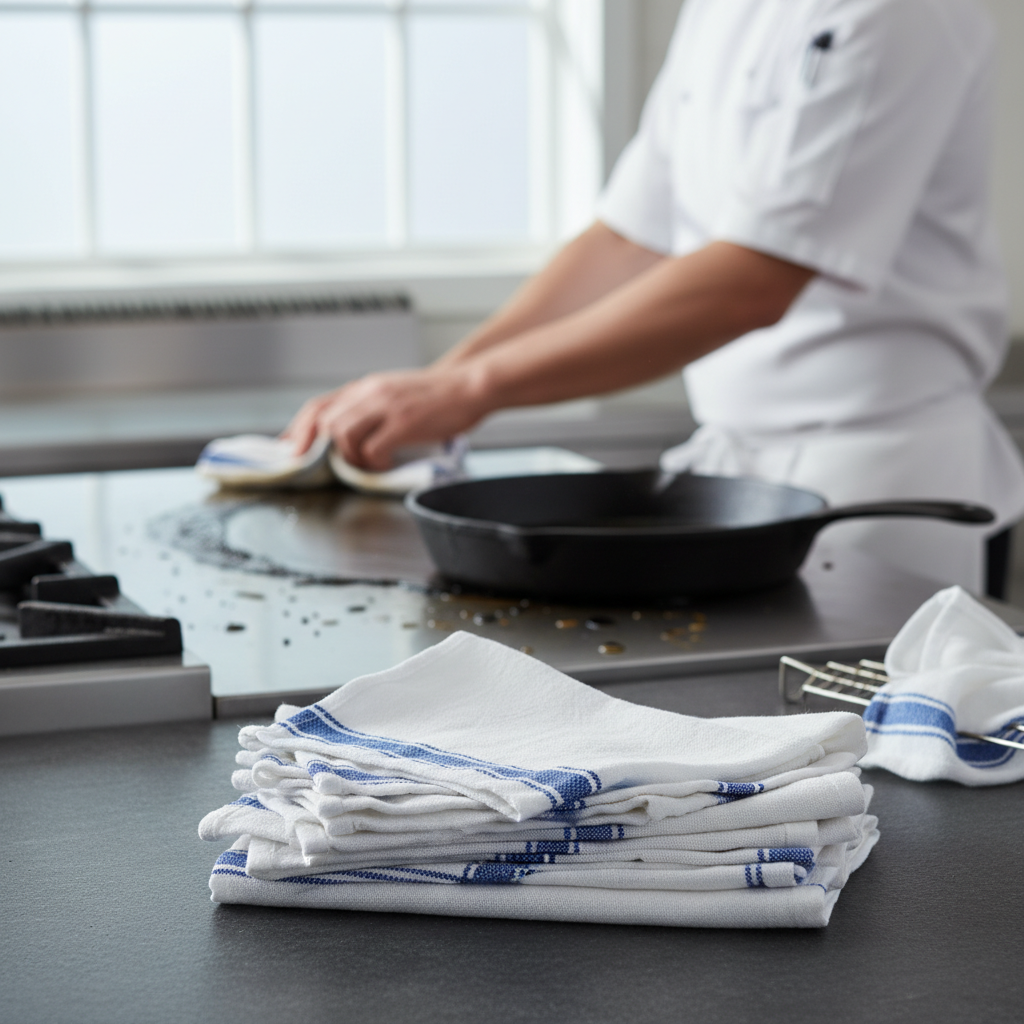
In the heart of every kitchen, the humble kitchen towel plays an indispensable role. From wiping up spills to drying freshly washed dishes, its effectiveness can significantly impact your daily routine. But when faced with the choice between classic cotton and modern microfiber, many home cooks wonder: which one truly excels at drying dishes? As an experienced technician in kitchenware, particularly with kitchen towels, I’ve spent years evaluating these materials. Let’s delve into the specifics to help you make the best choice for your kitchen.
What Are Kitchen Towels?
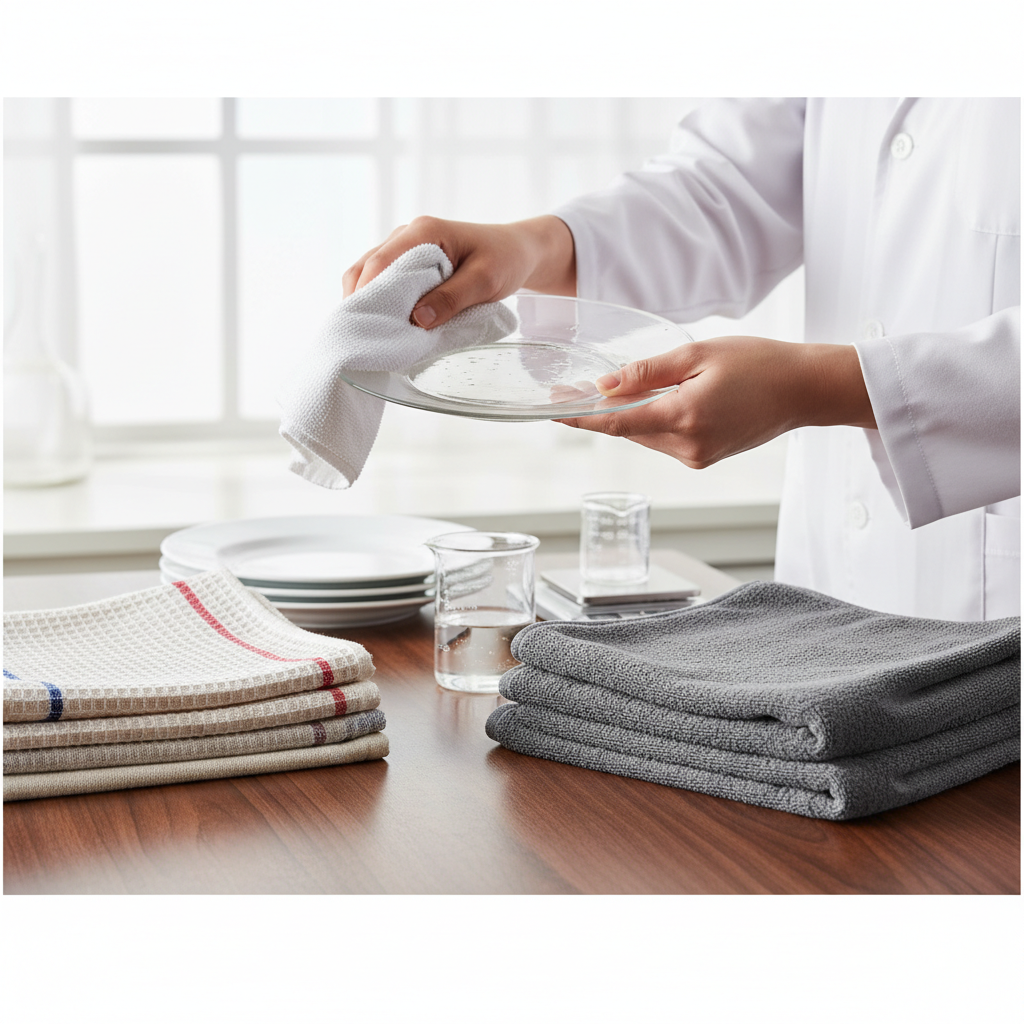
Kitchen towels are essential textile tools designed for a variety of tasks in the kitchen environment. Primarily, they are used for absorbing liquids, drying surfaces, and wiping hands or dishes. Unlike paper towels, which are disposable, most kitchen towels are reusable fabric items intended for repeated use after washing. Their main purpose is to maintain cleanliness and efficiency in food preparation and cleanup.
Historically, cotton has been the material of choice for kitchen linens due to its natural absorbency and soft texture. However, with advancements in textile technology, synthetic alternatives like microfiber have emerged, offering different properties and benefits. Other materials, such as bamboo or linen, also find their way into kitchen towel production, each presenting unique characteristics.
Why Are Kitchen Towels Essential?
Using the right kitchen towel is more than just a matter of convenience; it’s crucial for maintaining hygiene, efficiency, and even contributing to a more sustainable home.
Hygiene and Food Safety: A clean kitchen is a safe kitchen. Kitchen towels are vital for wiping down counters, cleaning spills, and drying dishes, preventing the spread of bacteria. Using a clean, absorbent towel helps remove moisture where germs thrive, ensuring a healthier environment for food preparation. Damp towels, especially cotton ones, can become breeding grounds for bacteria if not dried and washed properly.
Convenience and Versatility: Kitchen towels are true multi-taskers. Beyond drying dishes, they can line serving baskets, mop up accidental spills, polish glassware, or even act as makeshift oven mitts in a pinch. Their versatility makes them an indispensable tool, reducing the need for single-use alternatives in many scenarios.
Cost-Effectiveness and Environmental Impact: While the initial cost might be higher than a roll of paper towels, reusable fabric kitchen towels offer significant long-term savings. They can be washed and reused hundreds of times, drastically cutting down on waste and expenditure. Choosing reusable options like cotton or bamboo also reduces your environmental footprint compared to disposable paper products.
Popular Types of Kitchen Towels
The market offers a range of kitchen towel materials, each with distinct advantages and disadvantages. Understanding these differences is key to selecting the perfect towel for your needs.
Disposable Paper Towels
These are the go-to for quick cleanups and highly soiled messes, often preferred for their convenience and hygienic single-use nature.
- Pros: Highly convenient, hygienic for quick disposal of messy spills, no washing required.
- Cons: Not environmentally friendly, can be costly over time, less absorbent for larger tasks, contribute to waste.
|
Our Picks for the Best Kitchen towel in 2026
As an Amazon Associate I earn from qualifying purchases.
|
||
| Num | Product | Action |
|---|---|---|
| 1 | Scott Paper Towels, Choose-A-Sheet, 6 Double Rolls = 12 Regular Rolls (108 Sheets Per Roll) |

|
| 2 | Bounty Quick-Size Paper Towels, White, 8 Family Triple Rolls = 27 Regular Rolls |
|
| 3 | Premium Kitchen Towels (20”x 28”, 6 Pack) | Large Cotton Dish Towels | Flat & Terry Highly Absorbent Kitchen Linen Set with Hanging Loop | Gray |
|
| 4 | Homaxy 100% Cotton Waffle Weave Kitchen Dish Cloths, Ultra Soft Absorbent Quick Drying Dish Towels, 12 x 12 Inches, 6-Pack, Dark Grey |
|
| 5 | LANE LINEN Cotton Kitchen Towels Set, 6-Pack – Absorbent, Quick-Drying Dish Towels, 18" x 28", Premium Hand and Tea Towels - Olive |
|
| 6 | Bounty Paper Towels Quick Size, White, 16 Family Rolls = 40 Regular Rolls |
|
| 7 | Sparkle Pick-A-Size Paper Towels, 6 Double Rolls (660 Sheets Total) - Strong 2-Ply Towels for Kitchen Cleanup and Everyday Messes |
|
| 8 | Miss Adola Flour Sack Kitchen Towels - Set of 2 Chinoiserie Dish Towels with Hanging Loop 18x26 Inch Absorbent Decorative Cotton Tea Towel Blue and White Dishcloths for Cleaning, Bird Flower |
|
| 9 | Miss Adola 2pcs Microfiber Kitchen Towels - Boho Kitchen Towels Set of 2 with Hanging Loop Decorative Absorbent 18x26 Inch Hand Towel Colorful Design Dish Cloth for Housewarming Gift, Mandala |
|
| 10 | Bounty Quick Size Paper Towels, White, 8 Family Rolls |
|
Cotton Fabric Towels
Cotton has been a kitchen staple for centuries, celebrated for its natural properties.
- Characteristics: Made from natural cotton fibers, known for their softness and classic feel. They typically become more absorbent and softer with each wash.
- Pros: Excellent initial absorbency, soft texture, durable, can withstand high washing temperatures, biodegradable, and offers a traditional aesthetic. Cotton towels become fluffier and more absorbent over time.
- Cons: Dries slowly (can take up to two hours to air dry), prone to harboring bacteria and odors if left damp, can leave lint or streaks on glassware, may require a “break-in” period for optimal absorbency.
- Care: Machine washable; can handle hot water and vigorous washing.
Microfiber Towels
A modern marvel, microfiber is engineered for superior cleaning and drying performance.
- Characteristics: Made from ultra-fine synthetic fibers, typically a blend of polyester and polyamide. These fibers are split to create an increased surface area, allowing them to effectively trap moisture and particles.
- Pros: Exceptional absorbency and very fast drying time (often under an hour), leaves minimal to no streaks on glass and stainless steel, effective at picking up dirt and grease, reduces bacterial growth due to quick drying. Its fibers act like a squeegee, efficiently drawing in moisture.
- Cons: Synthetic material (less biodegradable), can be more expensive, requires specific care (avoid high heat drying and fabric softeners as they can damage the fibers and reduce absorbency), lower-quality microfiber can lose effectiveness over time.
- Care: Wash in cool or warm water, air dry or tumble dry on low heat. Absolutely avoid fabric softeners, which can clog the microfibers, and high heat, which can melt them.
Bamboo Towels
Often touted for their eco-friendliness, bamboo towels offer a sustainable alternative.
- Characteristics: Made from bamboo pulp, known for its natural antibacterial properties and soft feel.
- Pros: Environmentally friendly (sustainable resource), often antibacterial and odor-resistant, soft and absorbent.
- Cons: Can be less durable than cotton or microfiber, absorbency might be slightly less than high-quality cotton or microfiber for dish drying, potentially higher cost.
Comparison Table: Cotton vs. Microfiber for Dish Drying
| Feature | Cotton Dish Towels | Microfiber Dish Towels |
|---|---|---|
| Absorbency (Initial) | High (absorbs large volumes) | Very High (efficiently traps and holds moisture) |
| Drying Speed (Towel) | Moderate to Slow (can take up to 2 hours) | Fast (often dries in under 1 hour) |
| Drying Dishes | Good, but can leave lint/streaks | Excellent, virtually streak-free on most surfaces |
| Durability | High (improves with washes, withstands high heat) | High (if cared for, prone to damage from high heat/softener) |
| Hygiene | Prone to bacteria/odor if left damp | Dries faster, reducing bacterial growth |
| Eco-friendliness | Natural, biodegradable, sustainable | Synthetic, less biodegradable |
| Feel/Aesthetic | Natural, soft, traditional | Smooth, often thinner, modern feel |
| Maintenance | Machine wash hot, can bleach | Machine wash cool/warm, no fabric softener, low heat dry |
| Price | Generally moderate | Moderate to high |
Buying Guide: Choosing the Right Kitchen Towel
Selecting the perfect kitchen towel depends on your specific needs and priorities. Here’s how to navigate the options:
Determine Your Primary Use: Are you mainly drying dishes, wiping spills, polishing glass, or a combination? For streak-free dish drying, especially on glassware, microfiber often excels. For general cleanups and hand drying, cotton is a strong contender.
Consider the Material:
- Cotton: Choose high-quality, densely woven cotton for durability and absorbency. Ideal if you prioritize a natural feel, can handle frequent hot washes, and don’t mind a longer towel drying time.
- Microfiber: Opt for this if speed, streak-free drying, and superior cleaning power are your priorities. Ensure you are committed to following specific care instructions to maintain its effectiveness. Look for blends with a higher polyamide content for better absorbency.
- Bamboo: A good eco-friendly choice with natural antibacterial properties, often softer than cotton, but check its specific absorbency and durability for dish drying.
Size and Quantity: Consider the volume of dishes you dry and your frequency of use. Larger towels offer more surface area for drying, while a greater quantity ensures you always have a clean one on hand, especially if you wash frequently.
Brand and Price: Invest in reputable brands known for quality textiles. While budget-friendly options exist, often a slightly higher initial investment means better performance and longer lifespan for both cotton and microfiber towels.
Absorbency and Durability: Look for towels that explicitly mention high absorbency. For cotton, this often relates to its weight and weave. For microfiber, it relates to the blend ratio and fiber density. Check care instructions for both to ensure longevity.
What to Look for in a Quality Kitchen Towel
When choosing kitchen towels, focus on properties that ensure effective and efficient performance. A high-quality kitchen towel, whether cotton or microfiber, should offer excellent absorbency, allowing it to soak up liquids quickly without oversaturating. Its drying capabilities are paramount; it should not only dry dishes thoroughly but also dry itself relatively fast to prevent mildew and odors. Durability is another key factor, as the best towels withstand frequent washing and rigorous use without losing their texture or effectiveness. Look for towels that promise minimal lint, especially for dish drying and polishing, and consider how easy they are to maintain.
Tips for Using and Caring for Kitchen Towels
Proper care is essential to extend the life and maintain the performance of your kitchen towels.
- Wash Regularly: To ensure hygiene, wash kitchen towels frequently, ideally after every few uses, or daily for heavy use. This prevents bacterial growth and unpleasant odors.
- Separate by Material: Wash cotton and microfiber towels separately. Cotton can be washed in hot water and with regular detergent. Microfiber should be washed in cool or warm water with a mild detergent and without fabric softener.
- Avoid Fabric Softeners for Microfiber: Fabric softeners can clog the microfibers, reducing their ability to absorb.
- Drying Practices: Tumble dry cotton towels on a medium to high setting. For microfiber, air dry or tumble dry on a low heat setting to prevent damage to the synthetic fibers.
- Don’t Overload the Washer: Give towels ample space to get clean and rinse properly.
- Replace When Needed: Even the best towels wear out. If your towels are no longer absorbent, or if they have persistent odors or stains, it’s time to replace them.
Conclusion
Choosing between cotton and microfiber for drying dishes comes down to a blend of performance, preference, and practicality. Microfiber clearly takes the lead in speed and streak-free drying, making it the champion for those who prioritize efficiency and gleaming dishes. Its ultra-fine fibers are engineered to absorb quickly and dry fast, significantly reducing the chances of bacterial growth. Cotton, with its natural feel and robust absorbency, remains a beloved choice for its classic appeal, versatility, and ability to handle high-temperature washes, though it requires more time to dry itself.
Ultimately, both materials have their merits. You might even find that a combination of both serves your kitchen best—microfiber for sparkling glassware and quick drying, and cotton for general cleanups and hand wiping. The key is understanding their unique properties and matching them to your daily kitchen demands.
What type of kitchen towel do you find most essential in your home?
Frequently Asked Questions
Is microfiber more hygienic than cotton for kitchen use?
Microfiber tends to be more hygienic for kitchen use because its faster drying time reduces the opportunity for bacteria to multiply. Additionally, its dense fiber structure effectively traps dirt and germs, which are then released during washing. However, both types require regular and proper washing to maintain their hygienic properties.
Can I use fabric softener on microfiber towels?
No, it is strongly advised not to use fabric softener on microfiber towels. Fabric softeners can clog the microscopic fibers of the towel, significantly reducing its absorbency and overall effectiveness, making it less efficient at picking up moisture and cleaning surfaces.
How often should I wash my kitchen towels?
For optimal hygiene, kitchen towels should be washed frequently, ideally after every one to two days of use, or immediately after handling raw meats or significant spills. Regular washing prevents the buildup of bacteria and helps maintain the towel’s absorbency and freshness.
Do cotton towels get more absorbent after washing?
Yes, cotton towels typically become more absorbent and softer with each wash. The washing process helps to break down natural oils and residues present in new cotton fibers, opening them up to absorb moisture more effectively over time.
Which towel is better for streak-free drying on glass?
Microfiber towels are generally superior for streak-free drying on glass and stainless steel. Their ultra-fine fibers and unique structure allow them to pick up moisture and polish surfaces without leaving behind lint or water marks, resulting in a clearer finish.