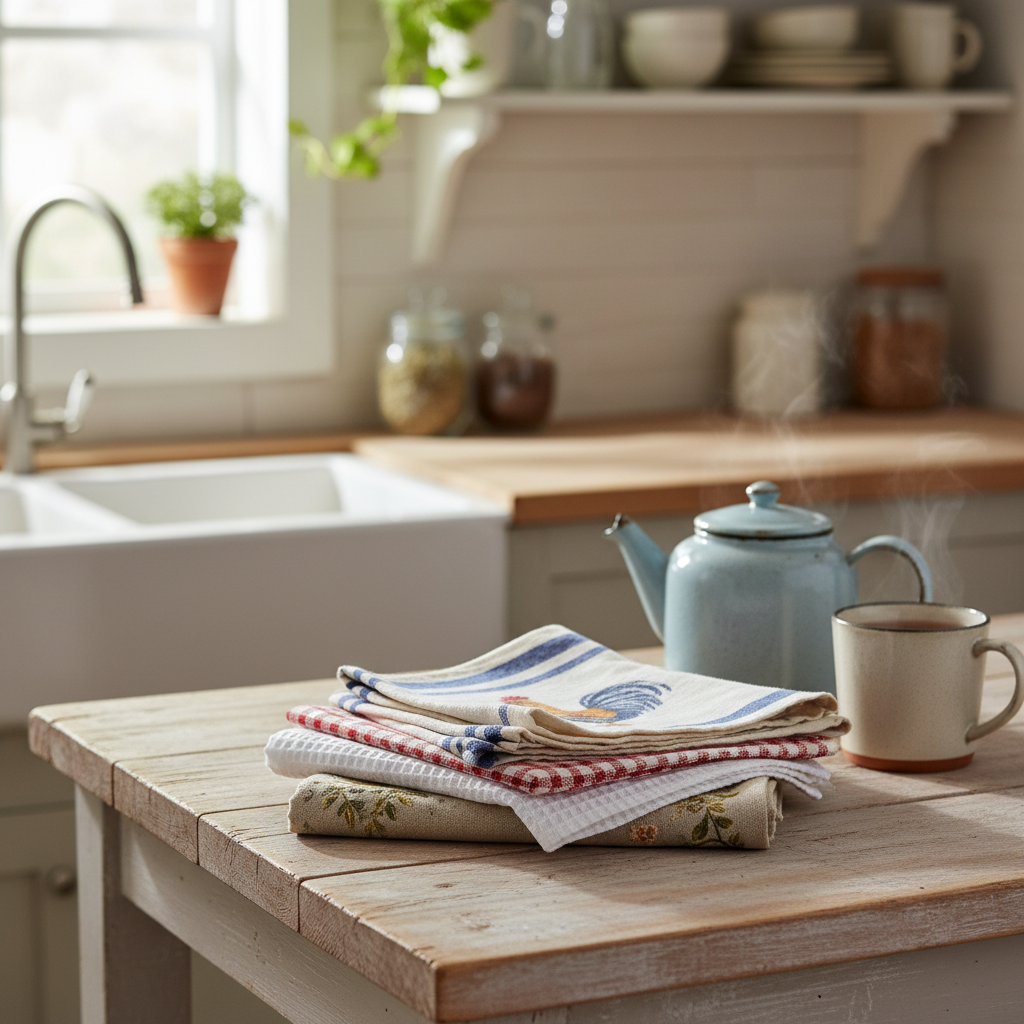
In the bustling heart of any home, the kitchen towel is an unsung hero, constantly battling spills, drying dishes, and keeping surfaces sparkling. But not all kitchen towels are created equal, and the secret often lies in their weave. As an admin for reviewjpt.com with over a decade in kitchenware, I’ve seen countless towels, from disposable paper options to sophisticated reusable fabrics. Today, we’re diving deep into two popular and highly effective weave patterns: waffle weave and herringbone. Understanding their unique characteristics is key to selecting the perfect towel that truly meets your culinary demands.
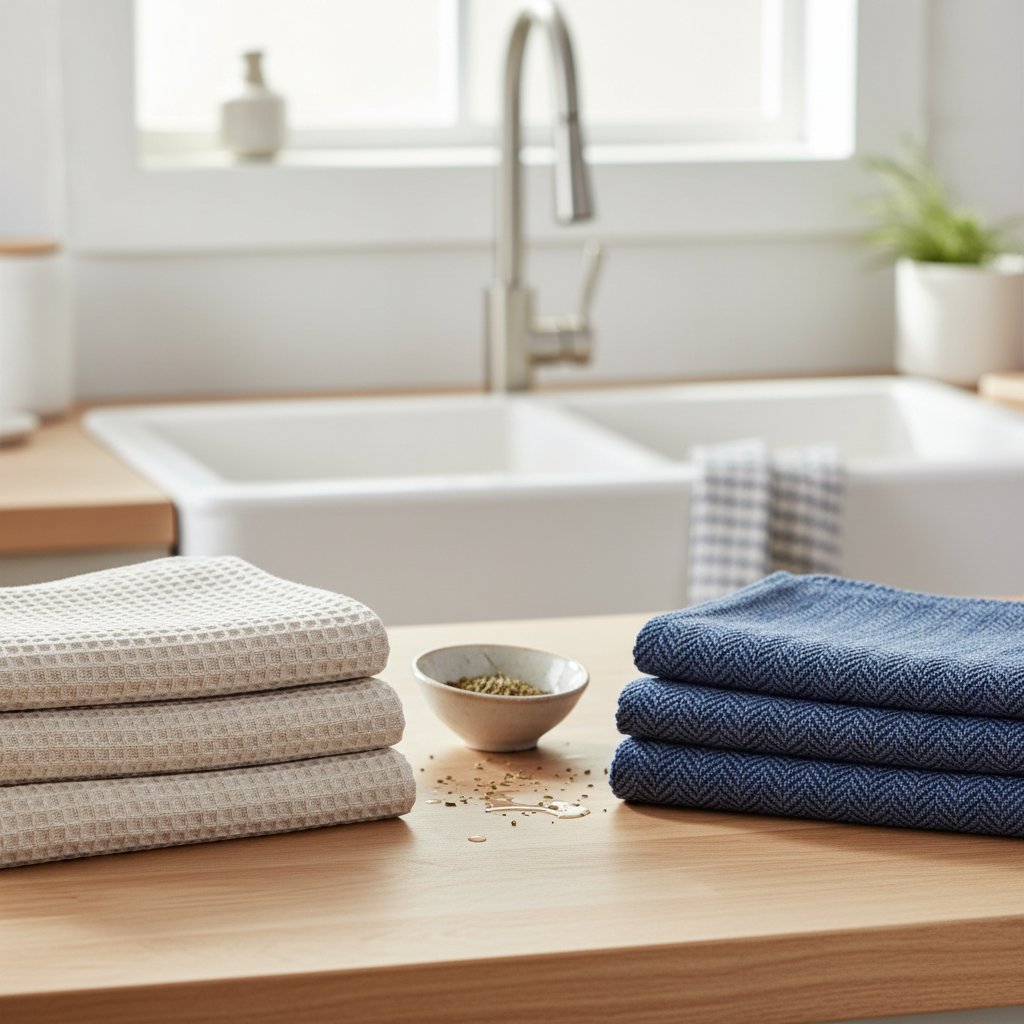
What are Waffle Weave and Herringbone Pattern Kitchen Towels?
Kitchen towels, much like any fabric, derive their core properties from how their threads are interlaced. The weave pattern fundamentally dictates a towel’s absorbency, drying speed, texture, and even its aesthetic appeal. Choosing the right weave ensures optimal performance for specific tasks, enhancing both efficiency and hygiene in your kitchen.
Waffle Weave Kitchen Towels
Waffle weave, also known as honeycomb weave, is characterized by its distinctive three-dimensional, grid-like structure, reminiscent of a waffle or honeycomb. This intricate pattern is created by a specific arrangement of raised and sunken squares, forming small pockets across the fabric’s surface. This unique design is not just for looks; it significantly increases the towel’s surface area, making it highly functional.
Herringbone Pattern Kitchen Towels
The herringbone pattern, on the other hand, is a classic V-shaped or zigzag design, named for its resemblance to the bones of a herring fish. It’s a type of twill weave where the diagonal lines alternate direction, creating a broken zigzag effect. This interlocking weave provides a robust yet flexible fabric, offering both durability and a refined appearance that has been a staple in textiles for centuries.
Why the Weave Matters for Your Kitchen Towels?
The weave structure is paramount because it directly impacts a towel’s performance in critical areas like moisture absorption, drying capabilities, and how it feels and performs on various surfaces. A specific weave can make a towel excel at soaking up large spills, drying delicate glassware without streaks, or simply looking elegant draped over an oven handle. Understanding these nuances helps you select tools that genuinely enhance your kitchen routine.
Diving Deeper into Waffle Weave Kitchen Towels
Waffle weave towels are a favorite for many due to their remarkable functionality and distinct texture. The clever construction of raised and sunken squares creates numerous pockets that are highly efficient at trapping and holding moisture.
Pros of Waffle Weave Towels:
- Superior Absorbency: The unique waffle structure dramatically increases the fabric’s surface area, allowing it to absorb moisture more efficiently than many traditional weaves. They are designed to soak up liquid rather than just spreading it around.
- Fast Drying: Thanks to the increased surface area and inherent breathability, waffle weave towels dry remarkably quickly. This rapid drying helps prevent bacterial growth and unpleasant odors, contributing to better kitchen hygiene.
- Lightweight and Compact: Despite their absorbency, waffle towels often feel lighter and thinner than their terry cloth counterparts. This makes them easy to fold, store, and ideal for smaller spaces or when you need many towels on hand.
- Gentle Exfoliation (for skin, but relevant to texture): While primarily for the kitchen, the texture can offer a gentle exfoliating effect, and for kitchen use, it means it can tackle sticky messes effectively without being abrasive.
- Excellent for Glass and General Cleaning: Waffle weave towels are praised for their ability to clean glass and shiny surfaces without leaving lint or streaks. Their unique texture provides a good glide, making quick work of windows, mirrors, and stainless steel appliances.
- Durability: These towels are known for being strong and maintaining their shape even after numerous washes, showing good resistance to shrinkage.
Cons of Waffle Weave Towels:
- Initial Texture: Some new waffle weave towels can feel a bit crisp or stiff initially, though they generally soften significantly with repeated use and washing.
- Aesthetic Preference: While many appreciate its modern, subtle look, the distinct textured appearance might not appeal to everyone’s aesthetic tastes.
Best Uses for Waffle Weave Towels:
Waffle weave towels are excellent all-rounders, particularly suited for drying dishes, wiping down countertops, tackling stubborn spills, and achieving streak-free results on glass and stainless steel. Their quick-drying nature makes them ideal for busy kitchens and humid environments.
Exploring Herringbone Pattern Kitchen Towels
Herringbone pattern kitchen towels combine enduring elegance with robust performance, making them a popular choice for both practical use and aesthetic appeal. The signature V-shaped weave creates a durable and visually appealing fabric that feels good to the touch.
Pros of Herringbone Pattern Towels:
- Ultra-Absorbent: Herringbone towels, especially those made from 100% cotton, are known for their exceptional absorbency. The textured surface created by the interlocking zigzag weave effectively captures and holds moisture.
- High Durability: The tightly woven herringbone pattern contributes to superior strength and durability. These towels are designed to withstand frequent washing and heavy use without showing significant wear and tear.
- Lint-Free Performance: Many herringbone towels are celebrated for being lint-free, making them a premier choice for polishing glassware, cutlery, and delicate surfaces where even tiny fibers would be noticeable. They leave no traces behind.
- Soft and Gentle: Despite their robust construction, herringbone towels typically offer a soft and gentle touch, making them comfortable for drying hands or wiping sensitive surfaces without fear of scratching.
- Classic Aesthetic: The timeless herringbone pattern adds a touch of sophistication and elegance to any kitchen decor, blending seamlessly with both traditional and contemporary styles.
- Versatility: These towels are highly versatile, excelling in general dish drying, wiping up everyday spills, polishing, and even serving as charming casual napkins.
Cons of Herringbone Pattern Towels:
- Drying Speed: While absorbent, herringbone towels are not always highlighted for their quick-drying properties to the same extent as waffle weave, especially if they are thicker cotton varieties.
- Less “Scrubbing” Texture: The smoother texture, compared to the raised pockets of a waffle weave, might offer slightly less mechanical scrubbing power for very sticky or dried-on messes.
Best Uses for Herringbone Pattern Towels:
Herringbone towels are ideal for general dish drying, polishing glassware for a sparkling finish, and wiping down a variety of kitchen surfaces. Their elegant appearance also makes them perfect for displaying or using when entertaining.
Bảng So Sánh Các Loại Khăn Lau Bếp
Choosing between waffle weave and herringbone patterns often comes down to your priorities in the kitchen. Here’s a comparative look at their key characteristics:
| Characteristic | Waffle Weave | Herringbone Pattern |
|---|---|---|
| Weave Structure | 3D honeycomb, raised squares and pockets | V-shaped, zigzag, interlocking twill |
| Absorbency | Superior, high (due to increased surface area and pockets) | Ultra-absorbent, exceptional (due to textured surface) |
| Drying Time | Very fast (increased airflow) | Good, but generally slower than waffle weave |
| Texture | Distinctly textured, can be exfoliating, softens with washes | Smooth, soft, gentle |
| Aesthetics | Modern, clean, subtle texture | Classic, elegant, timeless, sophisticated |
| Lint-Free | Very good, especially for glass | Excellent, often considered a premier glass towel |
| Durability | Strong, light, maintains shape, durable | Durable, tightly woven, long-lasting |
| Best For | Heavy spills, quick drying, glass, sticky messes, compact storage | Polishing, general dish drying, streak-free surfaces, aesthetic appeal |
Hướng Dẫn Chọn Mua Khăn Lau Bếp (Buying Guide)
Selecting the right kitchen towel involves a thoughtful consideration of your daily needs and preferences. Here’s how to make an informed choice between waffle weave and herringbone patterns:
- Determine Your Primary Needs: Are you frequently dealing with large liquid spills that require quick absorption and drying, or do you prioritize polishing delicate glassware to a streak-free shine? Waffle weave excels at rapid absorption and drying, while herringbone is often lauded for its lint-free polishing capabilities.
- Consider Drying Speed: If you live in a humid climate or frequently wash and reuse your towels, the faster-drying nature of waffle weave can be a significant advantage, helping to prevent mildew and odors.
- Texture Preference: Do you prefer a distinct, slightly exfoliating texture that can grab stubborn residue, or a smoother, softer feel that glides effortlessly over surfaces? Waffle weave offers the former, while herringbone provides the latter.
- Aesthetic Appeal: Think about your kitchen’s style. Waffle weave lends a modern, minimalist touch, while herringbone adds a classic, elegant charm. Both offer versatility in color and design.
- Material: While both weaves can be found in various materials, cotton is a common choice for both. Ensure the material quality aligns with your expectations for absorbency and durability.
- Durability and Longevity: Both weaves are known for their durability. Look for high-quality construction and materials that promise long-lasting performance through countless washes.
- Price Point: Generally, both types are available across various price ranges. Invest in quality if you want towels that perform well and last for years.
“The ideal kitchen towel isn’t just about absorption; it’s about matching the tool to the task. A waffle weave can conquer a massive spill in seconds, while a herringbone elegantly polishes your finest stemware.” – Chef Isabella Ricci, Culinary Equipment Specialist
Mẹo Sử Dụng và Bảo Quản Khăn Lau Bếp
Proper care is essential to extend the life and maintain the performance of both your waffle weave and herringbone kitchen towels.
- Wash Regularly: To maintain hygiene and absorbency, wash your kitchen towels frequently. For heavily soiled towels, a pre-soak can be beneficial.
- Use Appropriate Detergent: Wash towels in warm or hot water with a good quality detergent. Avoid harsh bleaches unless absolutely necessary, as they can break down fabric fibers over time.
- Avoid Fabric Softeners (especially for microfiber blends): While our focus here is on cotton weaves, it’s a good general rule that fabric softeners can reduce the absorbency of many towels by leaving a residue on the fibers.
- Air Dry or Low Heat Tumble Dry: Tumble drying on a low heat setting helps preserve fabric integrity. Waffle weave towels, in particular, benefit from air drying or low heat as their open structure allows for quick evaporation, minimizing shrinkage and maintaining softness.
- Store Properly: Ensure towels are completely dry before folding and storing to prevent mildew and unpleasant smells.
- Replace When Needed: Even the most durable towels have a lifespan. When your towels no longer absorb effectively or show significant wear, it’s time to replace them to maintain optimal kitchen hygiene and efficiency.
Conclusion
The choice between waffle weave and herringbone pattern kitchen towels ultimately hinges on your specific needs and priorities in the heart of your home. Waffle weave shines with its rapid absorbency, quick-drying properties, and ability to tackle sticky messes and glass with ease, making it a functional powerhouse for everyday kitchen chaos. Herringbone, with its classic elegance, boasts exceptional absorbency, superior lint-free polishing capabilities, and a soft, durable finish, elevating both utility and style. By understanding the distinct advantages of each weave, you can confidently select the perfect kitchen companions that not only perform flawlessly but also enhance the joy of cooking and cleaning. Which weave will become your kitchen’s next essential ally?
Câu Hỏi Thường Gặp
Are waffle weave towels better than herringbone for absorbency?
|
Our Picks for the Best Kitchen towel in 2026
As an Amazon Associate I earn from qualifying purchases.
|
||
| Num | Product | Action |
|---|---|---|
| 1 | Bounty Paper Towels Quick Size, White, 16 Family Rolls = 40 Regular Rolls |

|
| 2 | Miss Adola Flour Sack Kitchen Towels - Set of 2 Chinoiserie Dish Towels with Hanging Loop 18x26 Inch Absorbent Decorative Cotton Tea Towel Blue and White Dishcloths for Cleaning, Bird Flower |
|
| 3 | Bounty Quick-Size Paper Towels, White, 8 Family Triple Rolls = 27 Regular Rolls |
|
| 4 | Premium Kitchen Towels (20”x 28”, 6 Pack) | Large Cotton Dish Towels | Flat & Terry Highly Absorbent Kitchen Linen Set with Hanging Loop | Gray |
|
| 5 | Scott Paper Towels, Choose-A-Sheet, 6 Double Rolls = 12 Regular Rolls (108 Sheets Per Roll) |
|
| 6 | Sparkle Pick-A-Size Paper Towels, 6 Double Rolls (660 Sheets Total) - Strong 2-Ply Towels for Kitchen Cleanup and Everyday Messes |
|
| 7 | Miss Adola 2pcs Microfiber Kitchen Towels - Boho Kitchen Towels Set of 2 with Hanging Loop Decorative Absorbent 18x26 Inch Hand Towel Colorful Design Dish Cloth for Housewarming Gift, Mandala |
|
| 8 | Homaxy 100% Cotton Waffle Weave Kitchen Dish Cloths, Ultra Soft Absorbent Quick Drying Dish Towels, 12 x 12 Inches, 6-Pack, Dark Grey |
|
| 9 | Bounty Quick Size Paper Towels, White, 8 Family Rolls |
|
| 10 | LANE LINEN Cotton Kitchen Towels Set, 6-Pack – Absorbent, Quick-Drying Dish Towels, 18" x 28", Premium Hand and Tea Towels - Olive |
|
Both waffle weave and herringbone towels offer excellent absorbency, but through different mechanisms. Waffle weave’s three-dimensional pockets significantly increase its surface area, allowing it to trap and hold a large volume of liquid efficiently. Herringbone towels are also ultra-absorbent due to their textured, tightly woven surface. For sheer liquid retention and quick drying, waffle weave often has an edge due to its unique structure.
Which weave is better for streak-free drying and polishing?
Both weaves are highly regarded for their ability to dry surfaces without leaving lint or streaks. However, herringbone towels are frequently highlighted as a premier choice for polishing glassware and delicate surfaces, thanks to their smooth yet dense, lint-free texture. Waffle weave towels also perform very well on glass and shiny surfaces, offering good glide and streak-free results. The choice might come down to personal preference for the feel of the towel.