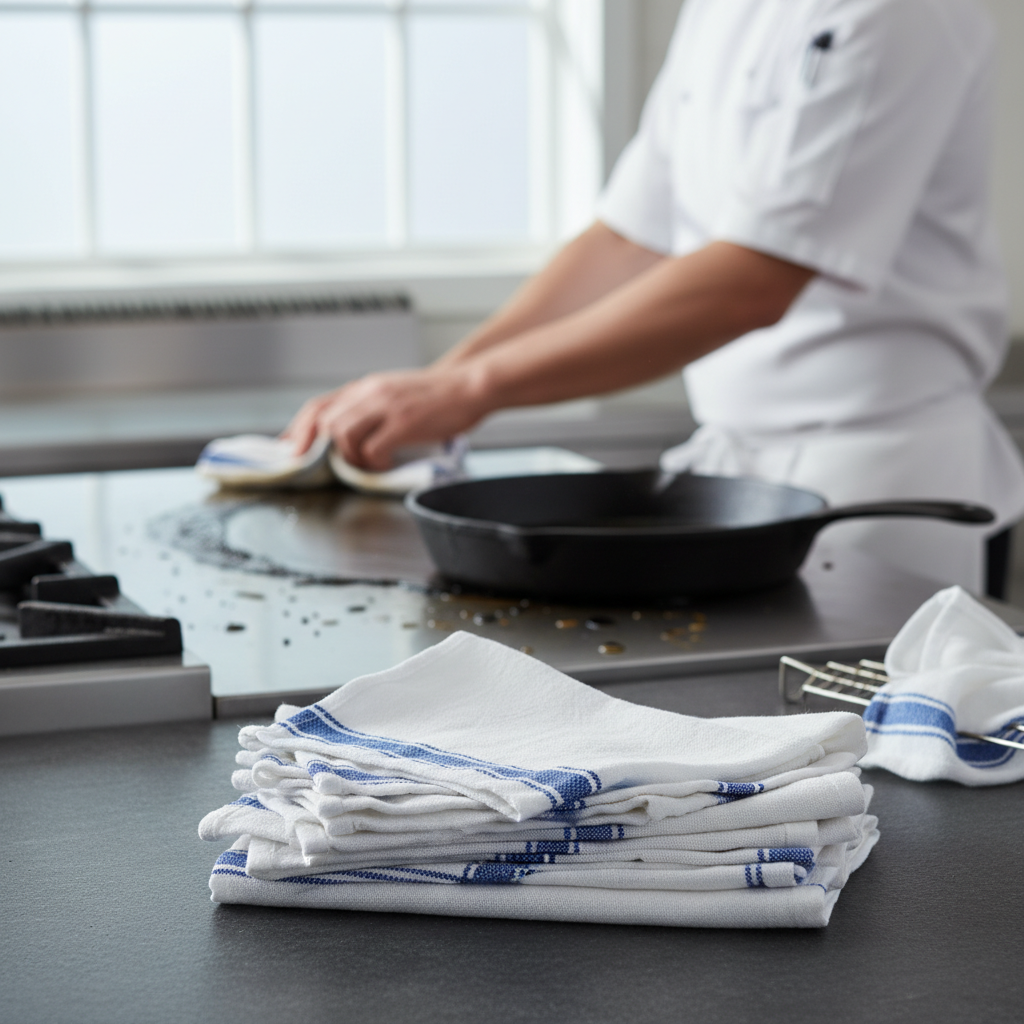
Are you tired of soggy salads, watery stir-fries, or finding lint on your freshly washed greens? For anyone serious about cooking, properly drying vegetables is a foundational step that can make a huge difference in taste, texture, and even how long your produce stays fresh. While paper towels offer convenience, they create waste and can quickly become a costly habit. This guide delves into the world of absorbent kitchen towels, helping you navigate the best options available in 2026 to ensure your vegetables are perfectly dry, every time. We’ll explore different materials, their unique benefits, and essential care tips to help you make an informed choice for your kitchen.
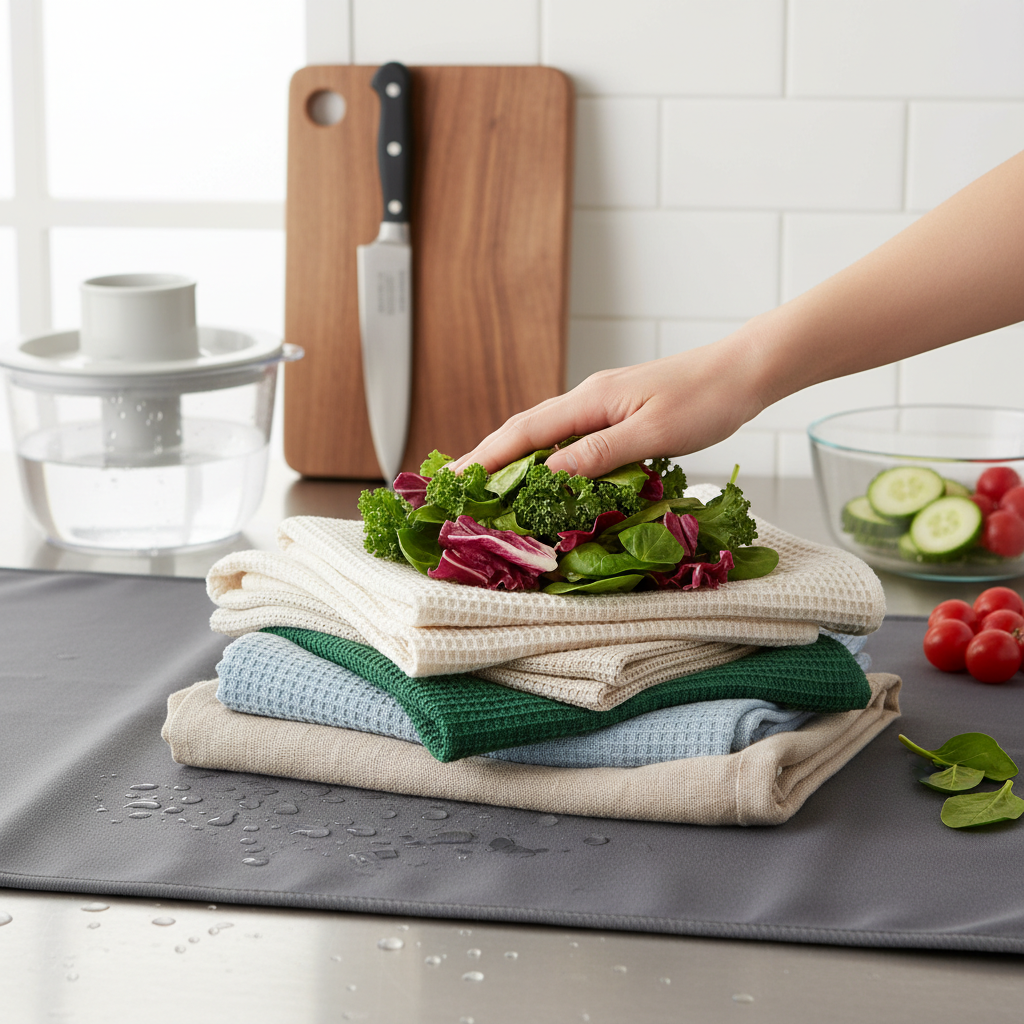
What Are Kitchen Towels and Why Are They Essential for Vegetables?
At its core, a kitchen towel is a versatile fabric cloth designed for various culinary tasks. Beyond simply wiping spills or drying hands, certain types of kitchen towels are indispensable for food preparation, especially when it comes to drying vegetables. They are engineered to absorb moisture efficiently without leaving behind unwanted fibers, making them far superior to standard bath towels or rough cloths.
When we talk about kitchen towels, we’re referring to a broad category that includes dish towels, tea towels, and flour sack towels, each with specific characteristics. For vegetables, the focus shifts to materials that offer high absorbency, a lint-free finish, and gentleness to protect delicate produce.
Why Do You Need Special Absorbent Towels for Drying Vegetables?
Drying your vegetables thoroughly might seem like a small detail, but it’s a critical step that impacts everything from food safety to the final flavor of your meal.
First, hygiene and food safety are paramount. Excess moisture creates a breeding ground for bacteria, causing vegetables to spoil faster. A properly dried vegetable, especially leafy greens, reduces this risk, extending its shelf life and keeping your family healthier.
Second, better culinary results are directly linked to dry produce. Imagine trying to get a crisp texture on roasted potatoes if they’re still damp, or how salad dressing struggles to cling to wet lettuce. Dry vegetables absorb marinades and seasonings more effectively, crisp up beautifully when cooked, and maintain a superior texture in salads. Many chefs swear by perfectly dry greens for a truly exceptional salad experience.
Finally, while paper towels are convenient, reusable absorbent towels offer significant cost savings and environmental benefits. Investing in quality, reusable kitchen towels means less waste heading to landfills and more money staying in your pocket over time. They are a sustainable choice for the modern kitchen.
Exploring the Most Popular Types of Kitchen Towels for Drying Vegetables
The market offers a diverse range of kitchen towel materials, each with distinct properties. Understanding these differences is key to selecting the best absorbent towels for your vegetable-drying needs.
Disposable Paper Towels
While not reusable, paper towels are undeniably convenient. They are designed for single-use, offering maximum hygiene as they are discarded after each task.
- Pros: Highly convenient, readily available, excellent for one-time messes or when absolute sanitation is required.
- Cons: Not environmentally friendly, expensive over time, contributes to waste. Not ideal for delicate produce where excessive rubbing might cause bruising.
|
Our Picks for the Best Kitchen towel in 2026
As an Amazon Associate I earn from qualifying purchases.
|
||
| Num | Product | Action |
|---|---|---|
| 1 | Miss Adola Flour Sack Kitchen Towels - Set of 2 Chinoiserie Dish Towels with Hanging Loop 18x26 Inch Absorbent Decorative Cotton Tea Towel Blue and White Dishcloths for Cleaning, Bird Flower |

|
| 2 | Bounty Quick Size Paper Towels, White, 8 Family Rolls |
|
| 3 | LANE LINEN Cotton Kitchen Towels Set, 6-Pack – Absorbent, Quick-Drying Dish Towels, 18" x 28", Premium Hand and Tea Towels - Olive |
|
| 4 | Bounty Paper Towels Quick Size, White, 16 Family Rolls = 40 Regular Rolls |
|
| 5 | Scott Paper Towels, Choose-A-Sheet, 6 Double Rolls = 12 Regular Rolls (108 Sheets Per Roll) |
|
| 6 | Premium Kitchen Towels (20”x 28”, 6 Pack) | Large Cotton Dish Towels | Flat & Terry Highly Absorbent Kitchen Linen Set with Hanging Loop | Gray |
|
| 7 | Miss Adola 2pcs Microfiber Kitchen Towels - Boho Kitchen Towels Set of 2 with Hanging Loop Decorative Absorbent 18x26 Inch Hand Towel Colorful Design Dish Cloth for Housewarming Gift, Mandala |
|
| 8 | Homaxy 100% Cotton Waffle Weave Kitchen Dish Cloths, Ultra Soft Absorbent Quick Drying Dish Towels, 12 x 12 Inches, 6-Pack, Dark Grey |
|
| 9 | Sparkle Pick-A-Size Paper Towels, 6 Double Rolls (660 Sheets Total) - Strong 2-Ply Towels for Kitchen Cleanup and Everyday Messes |
|
| 10 | Bounty Quick-Size Paper Towels, White, 8 Family Triple Rolls = 27 Regular Rolls |
|
Cotton Kitchen Towels
Cotton remains a classic and popular choice due to its natural absorbency and durability. Different weaves offer varied performance for vegetable drying.
- Characteristics: Made from natural cotton fibers, soft, and breathable. Available in various weaves like terry, waffle, and flat/flour sack.
- Pros:
- High Absorbency: Cotton excels at soaking up liquids. Waffle weave cotton, with its textured surface, significantly increases the surface area for absorption.
- Softness: Gentle on delicate vegetables, preventing bruising or damage.
- Durability: With proper care, cotton towels can last for years.
- Versatility: Great for general kitchen tasks alongside drying produce.
- Flour Sack Towels: These thin, woven cotton towels are particularly prized for drying vegetables. They are virtually lint-free, highly absorbent, and dry quickly. Many home cooks consider them an excellent paper towel alternative for produce.
- Cons:
- Drying Time: Thicker cotton towels, like terry, can take longer to dry, potentially fostering bacteria if not laundered promptly.
- Lint: Some cotton weaves, particularly traditional terry cloth, can leave lint on produce, which is undesirable. Flour sack and waffle weaves are generally better for lint-free drying.
- Care: Wash in hot water for hygiene. Can be tumble dried. Avoid fabric softeners as they can reduce absorbency over time.
Microfiber Towels
Microfiber towels, made from synthetic fibers, have gained immense popularity for their cleaning power and exceptional absorbency.
- Characteristics: Composed of incredibly fine synthetic fibers (usually a blend of polyester and polyamide) that are much thinner than a strand of silk.
- Pros:
- Ultra-Absorbent: Microfiber can hold several times its weight in water, making it incredibly effective for drying.
- Lint-Free: The fine fibers are designed to pick up moisture and particles without leaving residue, making them excellent for streak-free drying and perfect for delicate produce.
- Quick-Drying: Despite their absorbency, microfiber towels tend to dry faster than many cotton varieties.
- Gentle: Soft texture protects delicate surfaces and foods.
- Cons:
- Heat Sensitive: High heat in washing or drying can damage the fibers, reducing effectiveness.
- Grease Retention: Can hold onto grease and oils if not washed correctly, leading to odors.
- Feel: Some users find the “grippy” texture of microfiber less pleasant than natural fibers.
- Environmental Concern: As they are synthetic, they can shed microplastics during washing.
- Care: Wash in cold or warm water with a mild detergent. Avoid fabric softeners and bleach. Air dry or tumble dry on low heat.
Bamboo Towels
Bamboo kitchen towels are an increasingly popular eco-friendly option, celebrated for their sustainability and natural properties.
- Characteristics: Made from bamboo fibers, which are naturally fast-growing and renewable. Often blended with cotton for enhanced durability.
- Pros:
- Highly Absorbent: Bamboo fibers are incredibly thirsty, often absorbing more moisture than cotton.
- Naturally Antibacterial: Bamboo possesses inherent antimicrobial properties, which can help reduce odors and inhibit bacterial growth, making them excellent for food-related tasks.
- Eco-Friendly: A sustainable choice due to bamboo’s rapid growth and minimal need for pesticides.
- Softness: Very soft and gentle on produce.
- Cons:
- Durability: Can sometimes be less durable than cotton or linen if not cared for properly, potentially pilling over time.
- Price: May be more expensive than conventional cotton towels.
- Care: Wash in cold water. Air dry or tumble dry on low to preserve fiber integrity. Avoid bleach.
Linen Kitchen Towels
Linen, derived from flax plants, has been used for centuries and is renowned for its strength, absorbency, and elegant drape.
- Characteristics: Made from flax fibers, known for being strong, durable, and naturally low-lint.
- Pros:
- Exceptional Absorbency: Linen fibers are hollow, allowing them to absorb a significant amount of water quickly.
- Lint-Free: Ideal for drying delicate produce and glassware without leaving behind any residue.
- Quick-Drying: Dries faster than cotton, helping to prevent bacterial growth.
- Durable: Becomes softer and more absorbent with each wash, lasting for many years.
- Naturally Antibacterial: Resists bacteria and odors more effectively than many other fabrics.
- Cons:
- Initial Stiffness: Can feel a bit stiff when new but softens considerably over time.
- Wrinkling: Prone to wrinkling unless ironed.
- Price: Generally more expensive than cotton.
- Care: Wash in warm water. Air dry or tumble dry on low. Avoid harsh chemicals.
Comparative Table of Kitchen Towels for Drying Vegetables
To help visualize the differences, here’s a concise comparison of the key characteristics of popular kitchen towel types for drying vegetables:
| Feature | Paper Towels | Cotton (Flour Sack/Waffle) | Microfiber | Bamboo | Linen |
|---|---|---|---|---|---|
| Absorbency | High | Very High | Excellent | Excellent | Excellent |
| Lint-Free | Yes | Very Good | Excellent | Good to Very Good | Excellent |
| Gentleness | Good | Excellent | Excellent | Excellent | Excellent |
| Quick Drying | Instant (Disposable) | Good | Very Good | Good | Very Good |
| Durability | Very Low | Good | Good | Moderate to Good | Excellent |
| Eco-Friendliness | Poor | Moderate | Poor (Microplastics) | Excellent | Excellent |
| Cost | High (long-term) | Moderate | Moderate to High | Moderate to High | High |
| Best For | Single-use, emergencies | Everyday produce drying, baking | Streak-free drying, delicate greens | Eco-conscious drying, odor resistance | Delicates, long-term investment |
Expert Buying Guide: Choosing the Best Absorbent Towels for Your Vegetables
Selecting the perfect towel for drying vegetables involves more than just picking the prettiest pattern. Consider these factors to make an informed decision:
-
Define Your Primary Need: Are you mostly drying delicate herbs and leafy greens, or larger, firmer vegetables? Do you prioritize speed, lint-free results, or eco-friendliness? For delicate items, a soft, lint-free material is crucial. For sheer volume and quick work, high absorbency is key.
-
Choose the Right Material:
- For Lint-Free Perfection: Flour sack cotton, linen, and high-quality microfiber are your best bets. They ensure no unwelcome fibers cling to your food.
- For Absorbency & Softness: Waffle weave cotton and bamboo are excellent choices. They soak up water efficiently while being gentle.
- For Eco-Conscious Choices: Bamboo and linen stand out due to their sustainable origins.
-
Consider Size and Quantity: Larger towels (e.g., 20×30 inches) offer ample surface area for drying a large batch of salad greens. Investing in a set of 6-12 towels ensures you always have clean ones on hand, especially if you cook frequently.
-
Evaluate Absorbency and Durability: Look for descriptions that highlight “high absorbency” or “ultra-absorbent.” Check for reinforced edges or a tight weave, which indicate better durability and resistance to fraying after repeated washes. As one culinary professional advises, “A truly great kitchen towel should feel substantial yet soft, ready to tackle a mountain of wet produce without complaint.”
-
Prioritize Hygiene: Since these towels come into direct contact with food, their ability to be thoroughly cleaned is paramount. Materials that withstand hot washes (like cotton) or naturally resist bacteria (like bamboo and linen) are advantageous. Quick-drying properties also prevent mildew and unpleasant odors.
Top Picks: Our Recommended Towel Types for Drying Vegetables
While specific brands can vary, focusing on certain types of towels will consistently deliver excellent results for drying vegetables.
1. The Classic Workhorse: Flour Sack Cotton Towels
- Why they’re great: These thin, flat-woven cotton towels are incredibly absorbent, quick-drying, and virtually lint-free. Their generous size makes them perfect for spreading out a large batch of greens or carefully patting dry delicate herbs. They become softer and more absorbent with each wash.
- Ideal for: Large batches of leafy greens, herbs, delicate fruits.
2. The Textured Powerhouse: Waffle Weave Cotton Towels
- Why they’re great: The distinctive waffle pattern creates numerous pockets that trap moisture, leading to exceptional absorbency. While slightly thicker than flour sack, good quality waffle weave cotton is still relatively quick-drying and less prone to lint than traditional terry. They offer a more plush feel and are very durable.
- Ideal for: Root vegetables, larger chopped produce, general purpose drying where high absorbency is needed.
3. The Modern Miracle: High-Quality Microfiber Towels
- Why they’re great: For unparalleled absorbency and a truly lint-free, streak-free finish, microfiber is a top contender. When used correctly (washed without fabric softener), these towels excel at wicking away moisture rapidly. Their fine fibers are gentle, making them suitable for even the most delicate produce.
- Ideal for: Berries, mushrooms, polished surfaces where no lint can be tolerated, when speed is of the essence.
Essential Tips for Using and Caring for Your Vegetable Drying Towels
Proper care extends the life of your towels and ensures they remain hygienic and effective for drying vegetables.
- Wash Frequently: After each use with food, especially raw produce, wash your towels promptly to prevent bacterial growth and odors. Use a dedicated load for kitchen towels if possible.
- Use Appropriate Detergent: For most cotton and linen, a standard detergent is fine. For microfiber, use a mild detergent and avoid harsh chemicals or excessive amounts, which can clog the fibers.
- Avoid Fabric Softeners: Fabric softeners can coat towel fibers, reducing their absorbency, especially in cotton and microfiber. Skip them entirely for kitchen towels.
- Sanitize When Needed: For cotton towels, an occasional wash in hot water with a cup of white vinegar can help sanitize and remove stubborn odors.
- Dry Thoroughly: Air dry whenever possible to save energy and extend towel life. If using a dryer, use a low heat setting, especially for microfiber and bamboo, as high heat can damage fibers. Ensure towels are completely dry before folding and storing to prevent mildew.
- Replace Periodically: Even the best towels wear out. When they start to lose absorbency, show signs of permanent staining, or fraying, it’s time to replace them. Generally, every 6-12 months is a good guideline for heavily used towels.
Conclusion
Choosing the best absorbent towels for drying vegetables in 2026 is an investment in your kitchen efficiency, food hygiene, and culinary results. Whether you lean towards the traditional reliability of cotton flour sack towels, the unparalleled absorbency of waffle weave, the modern lint-free performance of microfiber, or the sustainable appeal of bamboo or linen, the right towel makes a tangible difference. By understanding the unique properties of each material and implementing proper care routines, you can elevate your food preparation, ensure your produce stays fresher longer, and enjoy more delicious meals. What will be your go-to towel for perfectly crisp vegetables?
Frequently Asked Questions
What makes a towel “absorbent” for drying vegetables?
An absorbent towel for vegetables is typically made from fibers like cotton, microfiber, or bamboo that can quickly wick away and hold a large amount of moisture without saturating quickly. The weave also plays a role, with textures like waffle weave increasing surface area for better absorption.
Can I use my regular dish towels for drying vegetables?
While you can, it’s often better to use specific towels. Regular dish towels, especially terry cloth, might leave lint or might not be as absorbent or quick-drying as ideal options like flour sack cotton or microfiber, which are designed for a cleaner, more efficient dry.
How often should I wash towels used for drying vegetables?
Due to direct contact with raw food and moisture, it is highly recommended to wash towels used for drying vegetables after each use to maintain hygiene and prevent bacterial growth. Having a good supply of towels allows for frequent rotation.
Are microfiber towels safe for food contact?
Yes, high-quality microfiber towels are generally safe for food contact and are excellent for drying produce because they are lint-free and highly absorbent. However, ensure they are thoroughly cleaned and free of harsh chemical residues from other cleaning tasks.
What is the most eco-friendly towel option for drying vegetables?
Bamboo and linen towels are considered the most eco-friendly options. Bamboo is a rapidly renewable resource, and linen comes from flax, which requires less water and fewer pesticides than conventional cotton. Both offer excellent performance and durability.