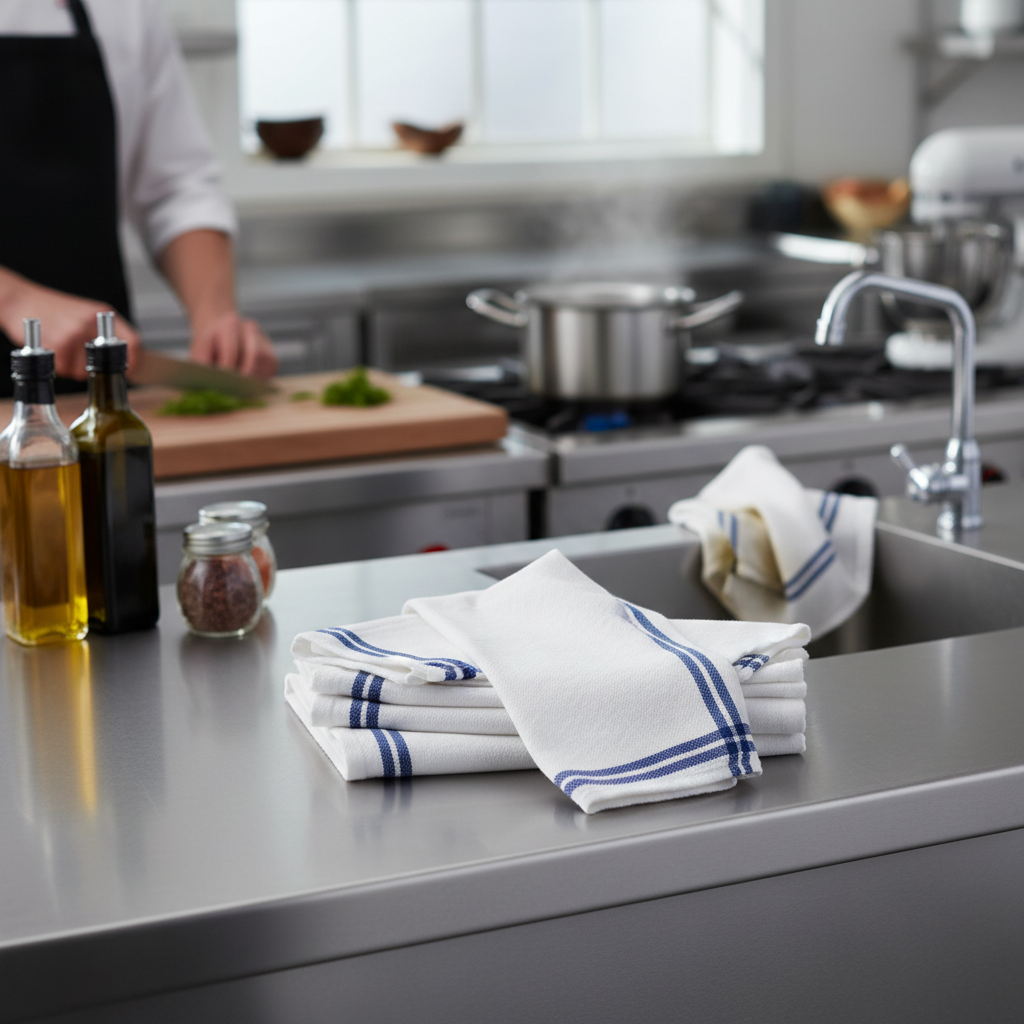
There’s nothing quite as frustrating as finishing a cleaning session, stepping back to admire your gleaming windows or sparkling stemware, only to find an annoying haze of lint or stubborn streaks. You’ve scrubbed, you’ve polished, and yet the perfection you envisioned remains elusive. The secret to truly spotless glass often isn’t in a magical spray, but rather in the very towel you’re using. If you’ve been relying on cotton, it might be time to discover why linen towels are the superior choice for achieving that enviable, crystal-clear finish every single time.
What Makes a Towel Perfect for Glass?
Achieving impeccable glass surfaces, whether it’s your kitchen windows, mirrors, or delicate glassware, demands a towel with specific qualities. First and foremost, a perfect glass towel must be lint-free. Any fibers shed by the towel will instantly mar your efforts, leaving behind tiny specks that catch the light. Second, it needs to be highly absorbent to quickly lift away moisture and cleaning solutions without leaving residue. Closely related to absorbency is quick-drying capability, which prevents watermarks and streaks from forming as the surface dries. Lastly, durability is key, ensuring the towel can withstand repeated use and washing without losing its effectiveness or integrity.
The Case for Cotton: Strengths and Weaknesses on Glass
Cotton towels are ubiquitous in most homes, valued for their softness, ready availability, and often lower cost. They are generally absorbent, making them suitable for many general cleaning tasks and drying dishes. However, when it comes to glass, cotton’s characteristics can quickly become drawbacks.
The primary issue with cotton for glass cleaning is its propensity to shed lint. The fibers, especially in plush or terry weaves, tend to detach and cling to glass surfaces, defeating the purpose of a clean wipe. While cotton absorbs liquid, it also holds onto moisture for longer periods, which can contribute to streaks and smears as the water evaporates unevenly. Over time, cotton fibers can also weaken and pill, further diminishing their performance and aesthetic appeal.
Unveiling the Linen Advantage for Crystal-Clear Glass
Linen, derived from the flax plant, has been a prized textile for centuries, and for good reason. Its unique properties make it an exceptional material for cleaning and polishing glass, consistently delivering results that cotton simply can’t match.
Naturally Lint-Free
|
Our Picks for the Best Kitchen towel in 2026
As an Amazon Associate I earn from qualifying purchases.
|
||
| Num | Product | Action |
|---|---|---|
| 1 | Miss Adola Flour Sack Kitchen Towels - Set of 2 Chinoiserie Dish Towels with Hanging Loop 18x26 Inch Absorbent Decorative Cotton Tea Towel Blue and White Dishcloths for Cleaning, Bird Flower |

|
| 2 | Scott Paper Towels, Choose-A-Sheet, 6 Double Rolls = 12 Regular Rolls (108 Sheets Per Roll) |
|
| 3 | Bounty Quick-Size Paper Towels, White, 8 Family Triple Rolls = 27 Regular Rolls |
|
| 4 | Sparkle Pick-A-Size Paper Towels, 6 Double Rolls (660 Sheets Total) - Strong 2-Ply Towels for Kitchen Cleanup and Everyday Messes |
|
| 5 | Premium Kitchen Towels (20”x 28”, 6 Pack) | Large Cotton Dish Towels | Flat & Terry Highly Absorbent Kitchen Linen Set with Hanging Loop | Gray |
|
| 6 | Miss Adola 2pcs Microfiber Kitchen Towels - Boho Kitchen Towels Set of 2 with Hanging Loop Decorative Absorbent 18x26 Inch Hand Towel Colorful Design Dish Cloth for Housewarming Gift, Mandala |
|
| 7 | LANE LINEN Cotton Kitchen Towels Set, 6-Pack – Absorbent, Quick-Drying Dish Towels, 18" x 28", Premium Hand and Tea Towels - Olive |
|
| 8 | Bounty Quick Size Paper Towels, White, 8 Family Rolls |
|
| 9 | Homaxy 100% Cotton Waffle Weave Kitchen Dish Cloths, Ultra Soft Absorbent Quick Drying Dish Towels, 12 x 12 Inches, 6-Pack, Dark Grey |
|
| 10 | Bounty Paper Towels Quick Size, White, 16 Family Rolls = 40 Regular Rolls |
|
One of linen’s most significant advantages for glass cleaning is its inherently lint-free nature. The long, strong fibers of flax are tightly woven, making them resistant to shedding. This means you can wipe down windows, mirrors, and glassware with confidence, knowing you won’t leave behind a frustrating trail of fuzz. Professionals often opt for linen precisely for this reason, ensuring a flawless finish.
Exceptional Absorbency & Rapid Drying
Linen boasts remarkable absorbency, capable of wicking away moisture efficiently. More impressively, it dries much faster than cotton. This rapid drying capability is crucial for streak-free results, as it prevents water from lingering on the surface long enough to form marks. The quick-drying also contributes to better hygiene, inhibiting the growth of bacteria and the development of unpleasant odors often associated with damp towels.
Unrivaled Durability
Linen is renowned for its strength, being up to 30% stronger than cotton fibers. This inherent durability means linen towels stand up exceptionally well to frequent washing and rigorous use without degrading or pilling. While the initial investment might be slightly higher than cotton, linen’s longevity provides excellent long-term value, often lasting for years where cotton towels would have long since worn out.
Superior Polishing Action
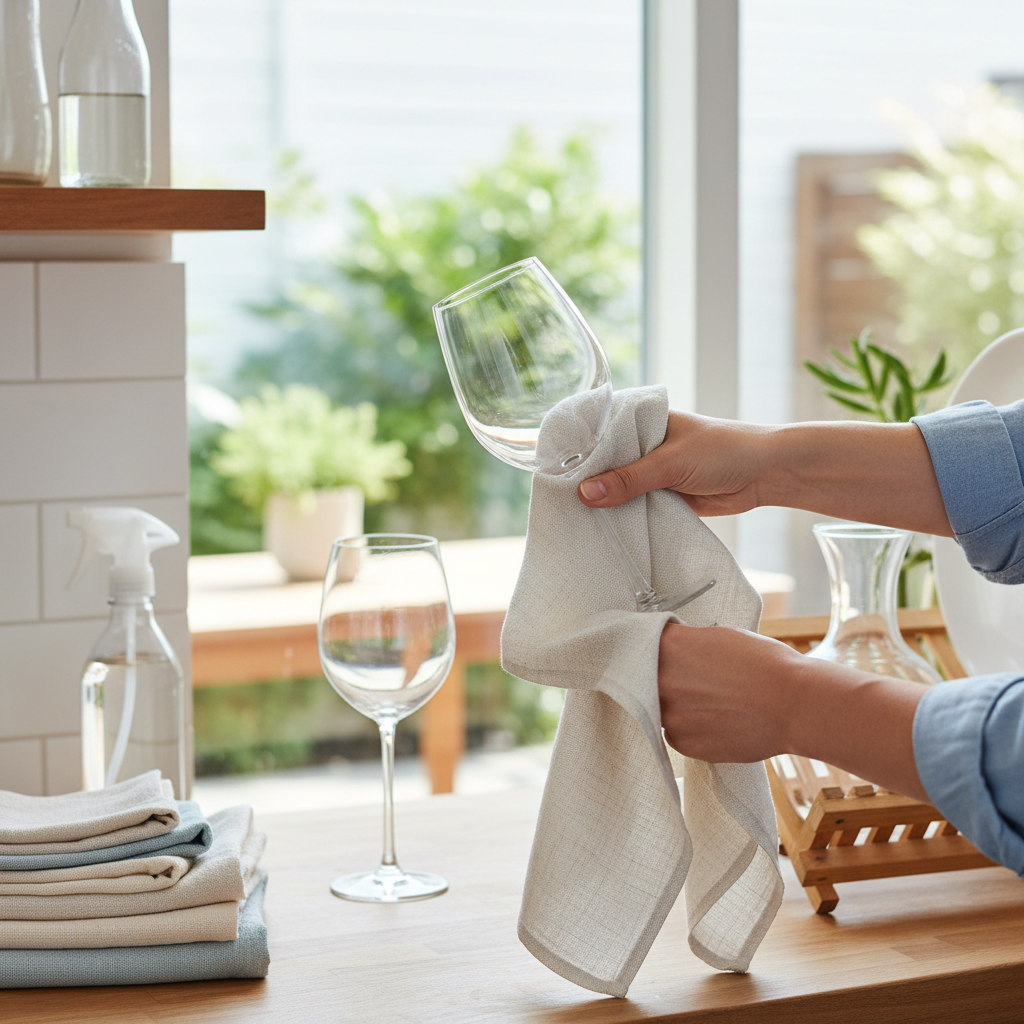
The smooth yet resilient texture of linen fibers provides an ideal surface for polishing. As you wipe, linen gently buffs the glass, helping to remove any microscopic residues and leaving behind a brilliant, streak-free shine. This polishing action is particularly noticeable on delicate items like wine glasses and intricate glassware.
Eco-Friendly Choice
Beyond its performance, linen is also a more sustainable option. Flax cultivation requires less water and fewer pesticides than cotton, making it an environmentally friendlier choice. Choosing linen contributes to a reduced ecological footprint in your cleaning routine.
Gets Better with Age
Unlike some materials that degrade with use, linen actually improves over time. With each wash, linen fibers soften, becoming more supple and pleasant to handle, all while retaining their strength and exceptional cleaning performance. This unique characteristic ensures that your linen glass towels will continue to perform beautifully for years to come.
Linen vs. Cotton: A Side-by-Side Comparison for Glass Cleaning
To truly appreciate the distinction, let’s look at how linen and cotton stack up when the task is achieving perfectly clean glass:
| Feature | Linen Towels | Cotton Towels |
|---|---|---|
| Lint-free | Excellent (naturally lint-free) | Moderate to Poor (prone to shedding) |
| Streak-free | Superior (polishes to a clear shine) | Often leaves streaks and smears |
| Absorbency | High & Quick-drying | High, but slower drying |
| Durability | Very High (30% stronger, long-lasting) | Moderate (can pill, weaken over time) |
| Eco-friendliness | More sustainable (lower environmental impact) | Less sustainable (higher water/chemical use) |
| Initial Cost | Higher | Lower |
| Long-term Value | Excellent (due to durability & performance) | Moderate |
Choosing Your Perfect Linen Glass Towel
When selecting a linen towel for glass cleaning, consider these factors:
- Material Quality: Opt for towels made from 100% pure linen. While blends exist, pure linen offers the best lint-free and polishing properties.
- Weave and Texture: Look for a tighter weave, which often correlates with better lint-free performance. Some linen towels are specifically designed with a “huck” weave, known for its excellent absorbency and polishing capabilities.
- Size: Choose a size that is comfortable for your hand and suitable for the surfaces you’ll be cleaning. A larger towel can be folded to provide multiple clean surfaces.
- Reputable Brands: Invest in linen towels from brands known for their quality textiles to ensure you’re getting genuine, well-made products.
Maximizing Performance: Care Tips for Your Linen Glass Towels
Proper care will extend the life and maintain the performance of your linen glass towels:
- Pre-Washing: Always wash new linen towels before their first use. This helps to soften the fibers and optimize their absorbency.
- Washing: Wash linen towels in warm water using a gentle cycle. Avoid harsh detergents, bleach, or fabric softeners, as these can coat the fibers and reduce absorbency and polishing effectiveness.
- Drying: Linen towels benefit from air drying or tumble drying on a low heat setting. Over-drying with high heat can make them stiff and potentially damage the fibers over time.
- Storage: Ensure your linen towels are completely dry before folding and storing them to prevent mildew. Keeping them separate from other cleaning cloths can also maintain their pristine condition.
- Replacement: While linen is incredibly durable, even the best towels will eventually show signs of wear. Replace towels if they become heavily stained, torn, or their performance noticeably diminishes.
Conclusion: Elevate Your Cleaning with Linen
The pursuit of truly sparkling, streak-free glass can often feel like an endless battle against lint and smears. However, by making a simple switch from cotton to linen towels, you can dramatically transform your cleaning results. Linen’s natural lint-free qualities, superior absorbency, rapid drying time, and exceptional durability make it the undisputed champion for polishing glass to a brilliant shine. It’s an investment in quality that not only delivers professional-level results but also stands the test of time, proving itself to be an eco-conscious and reliable choice for your home. Ready to achieve truly sparkling glass? Make the switch to linen and experience the difference for yourself.
What’s your go-to secret for a spotless shine?
Frequently Asked Questions
Are all linen towels good for glass cleaning?
While linen generally excels, the quality can vary. For the best results, look for 100% pure linen towels, as their tight weave and natural fibers ensure optimal lint-free performance and absorbency. Lower-quality linen may not deliver the same impeccable finish.
How do linen towels compare to microfiber for glass?
Both linen and microfiber towels are excellent for streak-free glass cleaning. Microfiber is known for its ultra-fine synthetic fibers that trap dirt effectively. Linen offers the advantage of being a natural fiber, with exceptional polishing capabilities and superior durability. Many professionals use both, depending on the specific cleaning task.
Can I use linen towels on other surfaces?
Absolutely! Linen towels are highly versatile. Their absorbency and durability make them excellent for drying dishes, wiping down countertops, general kitchen cleanup, and even drying hands. Their quick-drying nature also helps in maintaining hygiene across various tasks.
How often should I wash linen glass towels?
For optimal hygiene and performance, it’s best to wash linen glass towels after each use, especially when cleaning delicate or visibly dirty surfaces. Regular washing ensures they remain clean, absorbent, and ready to deliver a streak-free shine.