Baking is a delightful journey, and few things are more satisfying than watching your yeast dough slowly rise, promising a fluffy, flavorful loaf. While many focus on the ingredients and kneading techniques, a crucial yet often overlooked tool for successful bread making is the right kitchen towel to cover your rising dough. Choosing the appropriate towel can significantly impact your dough’s texture and overall quality, ensuring it stays moist, warm, and protected during its crucial fermentation and proofing stages.
What are Kitchen Towels for Dough Rising?
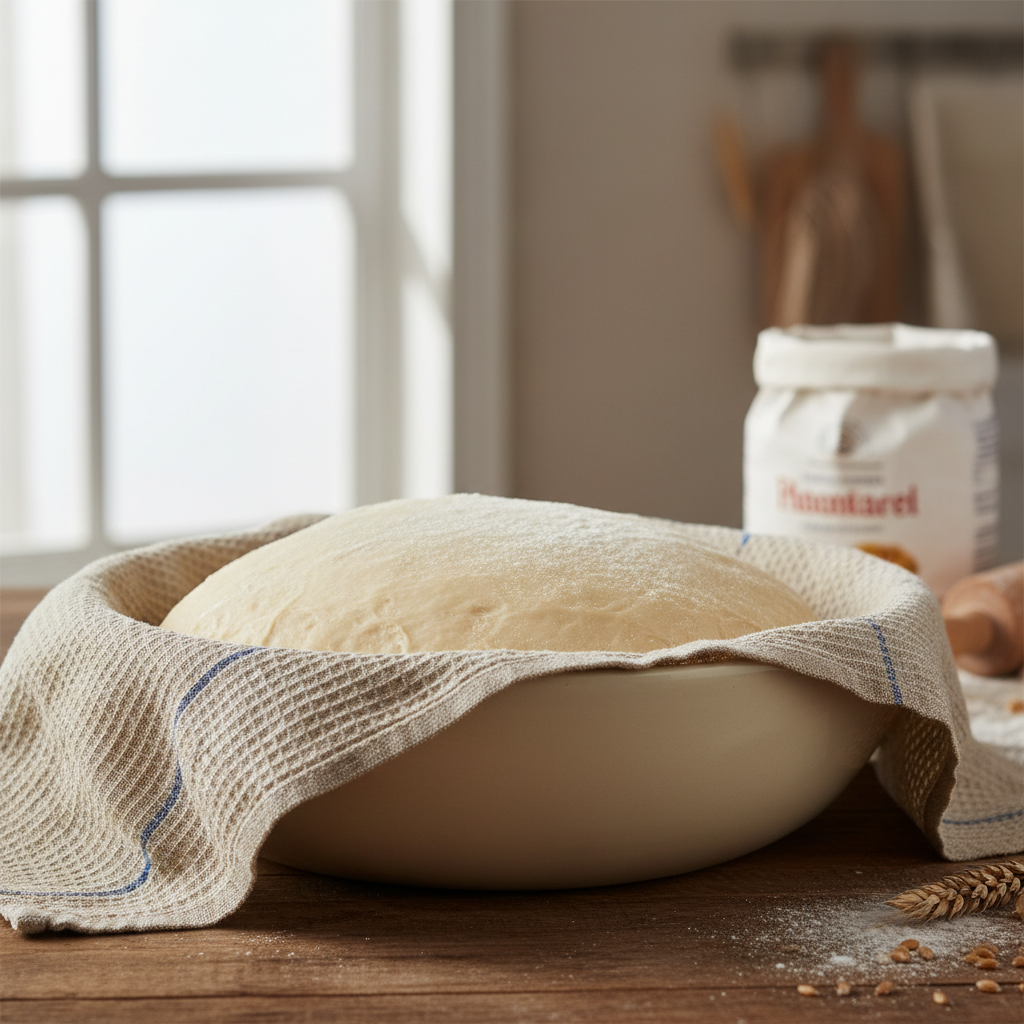
Kitchen towels for dough rising are more than just ordinary cloths; they are specifically chosen to create an optimal environment for yeast activity. When dough rises, it needs a balance of warmth, humidity, and protection from drafts to expand properly. These specialized towels act as a gentle barrier, allowing the dough to breathe while preventing it from drying out and forming an undesirable crust. They are typically made from natural, breathable, and lint-free materials designed to interact harmoniously with delicate yeast dough.
Why Use Specific Kitchen Towels for Dough?
The choice of towel for covering rising dough plays a pivotal role in achieving perfect bread. Here’s why using the right kitchen towel is essential:
- Moisture Retention and Preventing a Dry Skin: Yeast dough requires a consistently moist environment to rise without developing a tough, dry skin on its surface. A dry towel can absorb too much moisture, hindering the dough’s expansion. Properly chosen and prepared towels help maintain the ideal humidity, keeping the dough supple.
- Breathability vs. Sealing: While plastic wrap can create a tight seal, it sometimes leads to excessive condensation, which can make the dough sticky. A good kitchen towel, especially one made from natural fibers, offers controlled breathability, allowing for some air circulation while still protecting the dough.
- Hygiene and Reusability: Using a clean, dedicated kitchen towel for dough rising ensures hygienic conditions, preventing contaminants from affecting your bread. Unlike single-use plastic wraps, these reusable towels are an eco-friendly and cost-effective solution for bakers.
- Temperature Regulation: Certain towel materials can help insulate the dough, maintaining a steady, warm temperature that is conducive to yeast activity. This controlled environment promotes a more consistent and even rise.
“Flour sack towels are a baker’s best friend because they are the perfect material to protect your dough as it rises.” – Clara Rosewood, Mary’s Kitchen Towels
Types of Kitchen Towels Popular for Dough Rising
Not all kitchen towels are created equal when it comes to covering rising dough. Here are the most popular and effective types:
Flour Sack Towels (100% Cotton)
Flour sack towels are a long-standing favorite among bakers, particularly for sourdough. Originally made from cotton flour sacks, these towels are crafted from light yet durable cotton threads, known for their versatility and performance in the kitchen.
- Characteristics: They are typically 100% cotton, often tightly woven, making them soft, absorbent, and beautifully lint-free.
- Advantages:
- Lint-Free: Crucial for preventing fibers from sticking to your dough.
- Absorbent: While effective at absorbing excess moisture, they can also be dampened to provide controlled humidity for the dough.
- Soft and Smooth: Their smooth texture helps prevent dough from sticking, especially when lightly floured.
- Breathable: Allows for adequate air circulation without drying out the dough, aiding in fermentation and proofing.
- Durable and Washable: Designed to withstand frequent washing, making them a sustainable choice.
- Disadvantages: If used dry in a warm environment, they might not retain enough moisture, potentially leading to a slight drying of the dough. This can be easily mitigated by dampening the towel or spraying the dough with water.
|
Our Picks for the Best Kitchen towel in 2026
As an Amazon Associate I earn from qualifying purchases.
|
||
| Num | Product | Action |
|---|---|---|
| 1 | Miss Adola 2pcs Microfiber Kitchen Towels - Boho Kitchen Towels Set of 2 with Hanging Loop Decorative Absorbent 18x26 Inch Hand Towel Colorful Design Dish Cloth for Housewarming Gift, Mandala |

|
| 2 | Scott Paper Towels, Choose-A-Sheet, 6 Double Rolls = 12 Regular Rolls (108 Sheets Per Roll) |
|
| 3 | Bounty Quick Size Paper Towels, White, 8 Family Rolls |
|
| 4 | LANE LINEN Cotton Kitchen Towels Set, 6-Pack – Absorbent, Quick-Drying Dish Towels, 18" x 28", Premium Hand and Tea Towels - Olive |
|
| 5 | Homaxy 100% Cotton Waffle Weave Kitchen Dish Cloths, Ultra Soft Absorbent Quick Drying Dish Towels, 12 x 12 Inches, 6-Pack, Dark Grey |
|
| 6 | Miss Adola Flour Sack Kitchen Towels - Set of 2 Chinoiserie Dish Towels with Hanging Loop 18x26 Inch Absorbent Decorative Cotton Tea Towel Blue and White Dishcloths for Cleaning, Bird Flower |
|
| 7 | Sparkle Pick-A-Size Paper Towels, 6 Double Rolls (660 Sheets Total) - Strong 2-Ply Towels for Kitchen Cleanup and Everyday Messes |
|
| 8 | Premium Kitchen Towels (20”x 28”, 6 Pack) | Large Cotton Dish Towels | Flat & Terry Highly Absorbent Kitchen Linen Set with Hanging Loop | Gray |
|
| 9 | Bounty Paper Towels Quick Size, White, 16 Family Rolls = 40 Regular Rolls |
|
| 10 | Bounty Quick-Size Paper Towels, White, 8 Family Triple Rolls = 27 Regular Rolls |
|
Other Cotton Tea Towels
General 100% cotton tea towels are also a viable option, depending on their weave and quality.
- Characteristics: Varies widely, but good quality cotton tea towels are soft and reasonably absorbent.
- Advantages: Readily available and often economical. Can be used damp to help keep dough moist.
- Disadvantages: Some cotton towels might be prone to shedding lint, which is undesirable for dough. Less tightly woven options might not offer the same smooth, non-stick surface as flour sack towels.
Linen Towels
Linen towels are another excellent choice for bakers due to their natural properties.
- Characteristics: Made from flax fibers, linen is highly absorbent, durable, and naturally lint-free.
- Advantages:
- Lint-Free: Similar to flour sack towels, linen is excellent for keeping fibers away from your dough.
- Breathable: Provides good air circulation.
- Strong and Durable: Linen is known for its longevity, improving with each wash.
- Disadvantages: Generally more expensive than cotton towels. May be less readily available.
Why Avoid Certain Materials
While microfiber and bamboo towels are popular for general kitchen cleaning due to their high absorbency and scrubbing power, they are generally not recommended for covering rising yeast dough. Microfiber can be too absorbent, potentially drawing too much moisture from the dough, and its texture might cling to the dough. Bamboo, while natural, may not offer the optimal breathability and lint-free qualities needed for delicate dough. Stick to 100% cotton (especially flour sack) or linen for the best results.
Comparison Table: Best Kitchen Towels for Rising Dough
| Feature | Flour Sack Cotton | Other Cotton Tea Towel | Linen Towel |
|---|---|---|---|
| Lint-Free | Excellent | Good | Very Good |
| Breathability | Good | Good | Good |
| Moisture Control | Excellent (when damp) | Good (when damp) | Good (when damp) |
| Non-Stick (with prep) | Yes | Yes | Yes |
| Durability | High | Medium-High | High |
| Cost | Low-Medium | Low-Medium | Medium-High |
How to Choose the Best Kitchen Towel for Rising Dough (Buying Guide)
Selecting the perfect towel for your bread-making endeavors involves considering a few key factors:
- Determine Your Usage Needs: Consider how often you bake and the type of bread you make. For frequent bakers, investing in high-quality, durable towels is worthwhile.
- Opt for the Right Material: Always choose 100% cotton, with flour sack towels being a top recommendation due to their specific weave and properties. Linen is also an excellent choice. These natural fibers provide the necessary breathability and moisture management.
- Prioritize Lint-Free Quality: A lint-free surface is non-negotiable to prevent fibers from embedding in your dough. Tightly woven cotton flour sack towels are renowned for this characteristic.
- Consider Size and Thickness: Larger towels (e.g., 33×38 inches) are ideal for covering wide mixing bowls or baking sheets, ensuring full coverage. Slightly heavier towels tend to lay flatter and help control airflow more effectively.
- Check for Durability and Care Instructions: Look for towels that are durable and easy to wash. The best towels will withstand repeated washing without losing their integrity.
- Balance Brand Reputation and Price: While specific product recommendations can vary, look for brands known for quality kitchen linens. High-quality flour sack towels are often quite affordable, offering excellent value. Read customer reviews for insights into their performance in baking.
Top Picks – Recommended Kitchen Towels for Dough Rising
While specific brand recommendations can change, focusing on the type of towel will guide you to the best options:
- Premium 100% Cotton Flour Sack Towels: These are consistently praised by bakers for their lint-free nature, absorbency, and softness. Look for those with a tight weave and a generous size (e.g., 28×28 inches or larger) to cover various bowl and proofing basket sizes. They are often sold in multi-packs, offering great value for frequent bakers.
- Organic Cotton Tea Towels: For those who prefer organic products, many brands offer organic cotton tea towels that are soft, absorbent, and suitable for dough rising. Ensure they are tightly woven and as lint-free as possible.
- Linen Proofing Cloths: Dedicated linen proofing cloths (often called couches) are excellent for shaping and rising baguettes and other artisan loaves. They are naturally non-stick (when floured) and highly durable, making them a premium choice for serious bakers.
Tips for Using and Caring for Your Dough Towels
Proper use and care will extend the life of your kitchen towels and ensure optimal dough rising results:
- Dampen or Lightly Oil for Moisture Control: If your baking environment is dry or you want to ensure maximum moisture, lightly dampen your flour sack or cotton towel (wring it out well) before covering the dough. Alternatively, you can lightly oil the towel or spray the top of your dough with water to prevent sticking and drying.
- Lightly Flour if Needed: For dough that is particularly sticky or when lining a proofing basket, a light dusting of flour on your towel can help prevent sticking.
- Wash Regularly: Always use a clean towel for each batch of dough to maintain hygiene. Wash towels after each use to remove any dough residue and prevent bacterial growth.
- Avoid Bleach and Fabric Softeners: Bleach can weaken cotton fibers and reduce absorbency over time, while fabric softeners can leave a residue that affects absorbency and may transfer to your dough. Instead, use a cup of white vinegar in the wash cycle to keep towels soft and fresh.
- Air Dry When Possible: Air-drying helps preserve the towel’s fibers and natural absorbency, making them last longer. If using a dryer, opt for a low heat setting.
- Replace When Worn: Over time, even the best towels will show signs of wear. Replace them when they become thin, develop holes, or lose their lint-free quality to ensure your dough continues to rise perfectly.
Conclusion
Choosing the best kitchen towel for covering rising yeast dough might seem like a small detail, but it profoundly impacts your baking success. High-quality, lint-free, and breathable towels, particularly those made from 100% cotton flour sack material, provide the ideal environment for your dough to flourish. By understanding the characteristics of different materials and implementing proper usage and care, you can ensure your bread consistently achieves that perfect rise, resulting in light, airy, and delicious loaves every time. Elevate your baking experience by giving your dough the cover it deserves.
What’s your go-to kitchen towel for achieving the perfect rise in your homemade bread?
Frequently Asked Questions
Can I use any kitchen towel to cover rising dough?
No, it’s best to use a specific type of kitchen towel. While any cloth can cover dough, lint-free, breathable, 100% cotton (like flour sack towels) or linen towels are highly recommended. They prevent fibers from sticking to the dough and help maintain optimal moisture levels for a proper rise.
How do I prevent dough from sticking to the towel?
To prevent dough from sticking, you can lightly dampen the towel, gently spray the top of the dough with water, or lightly oil the towel or the dough itself before covering. A light dusting of flour on flour sack towels is also effective, especially when lining a proofing basket.
Should the towel be damp or dry?
It depends on your environment and dough. A lightly damp, well-wrung-out towel can provide beneficial humidity, especially in dry conditions, helping to prevent a skin from forming on the dough. If your room is humid enough, a dry, lint-free towel might suffice, often lightly floured.
What size towel is best for covering dough?
Larger towels, such as standard flour sack towels (around 28×28 inches or 33×38 inches), are ideal. This allows them to fully cover various sizes of mixing bowls or baking sheets without pulling taut, giving the dough ample room to expand.
Can I reuse the same towel for multiple batches of dough?
It’s recommended to use a clean towel for each batch of dough to maintain hygiene. Dough residue can encourage bacterial growth, so washing the towel after each use is a best practice for food safety and consistent results.