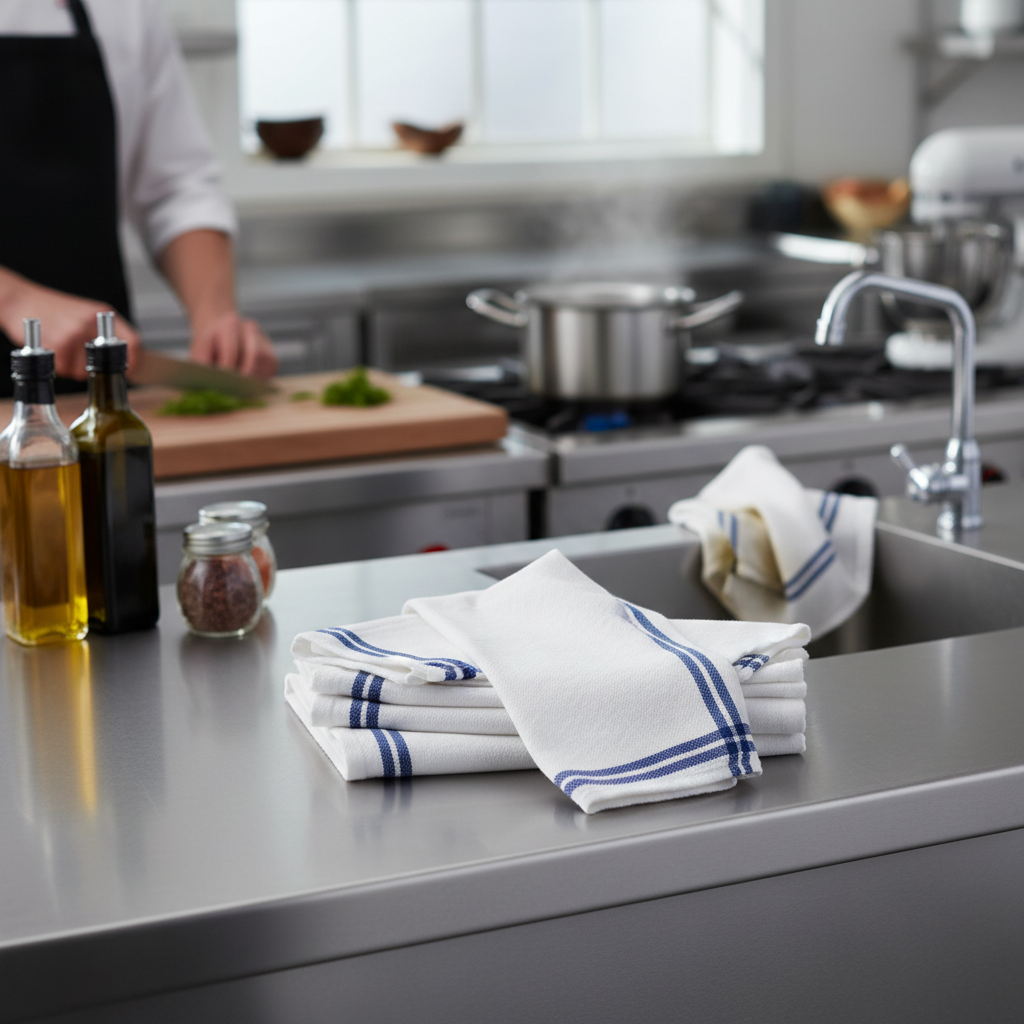
Few things are as disheartening as reaching for a fresh kitchen towel, only to be met with an unsettling, lingering odor. That tell-tale musty, sour, or even rancid smell can quickly undermine the cleanliness of your entire kitchen. You’re not alone in this common household dilemma; kitchen towels are magnets for food particles, grease, and moisture, creating a perfect breeding ground for odor-causing bacteria and mildew.
But don’t despair! As someone who has spent over a decade knee-deep in kitchen essentials, especially the humble yet mighty kitchen towel, I’ve seen it all. From disposable paper to robust reusable fabrics, I’ve tested countless solutions to keep these workhorses smelling fresh. This comprehensive guide will equip you with effective, budget-friendly DIY methods to eliminate those funky smells and practical tips to prevent them from returning, ensuring your kitchen stays as fresh as it looks. Let’s dive in and transform your towel game!
Why Do Kitchen Towels Develop Funky Smells?
Kitchen towels are indispensable tools, but their constant exposure to various kitchen environments makes them prone to developing unpleasant odors. But why exactly do they turn stinky? Understanding the root causes is the first step toward effective remediation.
The primary culprits behind smelly kitchen towels are moisture and bacteria. Every time you wipe a spill, dry your hands, or clean a surface, your towel absorbs moisture, food particles, and often, grease. If these damp towels are left to sit, especially in a crumpled pile or an enclosed space like a laundry hamper, they become an ideal breeding ground for bacteria, mold, and mildew. These microorganisms thrive in warm, moist conditions, multiplying rapidly and releasing the volatile organic compounds responsible for that distinctive, funky smell. This is why a towel that seemed clean can quickly become a foul-smelling offender.
Beyond microbial growth, accumulated grease and food residue play a significant role. Kitchen towels are regularly exposed to cooking oils and food debris, which can deeply embed themselves into the fabric fibers. Over time, these residues can become rancid, contributing a particularly unpleasant, sour, or greasy odor that typical washing cycles might not fully remove. This is especially true if you’re not washing your towels with sufficiently hot water or an effective degreasing agent.
Another surprising factor can be detergent buildup. Paradoxically, using too much laundry detergent can leave a residue on your towels, creating a sticky film that traps odors and provides a feast for bacteria. This buildup can also reduce the towel’s absorbency and make it feel less soft. Inadequate rinsing, often due to an overloaded washing machine, can exacerbate this issue, leaving behind soap scum and trapped odors.
Lastly, poor ventilation and the type of fabric can also contribute. If towels don’t have enough airflow to dry completely after use, or if they are stored in a damp, poorly ventilated area, they will inevitably harbor smells. Furthermore, while natural fibers like cotton are generally preferred for absorbency, some synthetic blends can be more prone to trapping odors, making them harder to fully sanitize with standard washing methods. Addressing these underlying issues is key to long-term freshness.
Essential DIY Methods to Remove Odors
When your kitchen towels start to smell, a standard wash cycle often isn’t enough to eradicate the deep-seated odors. Thankfully, a few powerful and natural DIY methods can strip away accumulated grime and funk, leaving your towels fresh and clean. These techniques leverage common household ingredients to tackle bacteria, mildew, and grease effectively.
The Vinegar and Baking Soda Power Duo
|
Our Picks for the Best Kitchen towel in 2026
As an Amazon Associate I earn from qualifying purchases.
|
||
| Num | Product | Action |
|---|---|---|
| 1 | Bounty Quick Size Paper Towels, White, 8 Family Rolls |

|
| 2 | Bounty Quick-Size Paper Towels, White, 8 Family Triple Rolls = 27 Regular Rolls |
|
| 3 | Scott Paper Towels, Choose-A-Sheet, 6 Double Rolls = 12 Regular Rolls (108 Sheets Per Roll) |
|
| 4 | Homaxy 100% Cotton Waffle Weave Kitchen Dish Cloths, Ultra Soft Absorbent Quick Drying Dish Towels, 12 x 12 Inches, 6-Pack, Dark Grey |
|
| 5 | LANE LINEN Cotton Kitchen Towels Set, 6-Pack – Absorbent, Quick-Drying Dish Towels, 18" x 28", Premium Hand and Tea Towels - Olive |
|
| 6 | Miss Adola 2pcs Microfiber Kitchen Towels - Boho Kitchen Towels Set of 2 with Hanging Loop Decorative Absorbent 18x26 Inch Hand Towel Colorful Design Dish Cloth for Housewarming Gift, Mandala |
|
| 7 | Premium Kitchen Towels (20”x 28”, 6 Pack) | Large Cotton Dish Towels | Flat & Terry Highly Absorbent Kitchen Linen Set with Hanging Loop | Gray |
|
| 8 | Miss Adola Flour Sack Kitchen Towels - Set of 2 Chinoiserie Dish Towels with Hanging Loop 18x26 Inch Absorbent Decorative Cotton Tea Towel Blue and White Dishcloths for Cleaning, Bird Flower |
|
| 9 | Bounty Paper Towels Quick Size, White, 16 Family Rolls = 40 Regular Rolls |
|
| 10 | Sparkle Pick-A-Size Paper Towels, 6 Double Rolls (660 Sheets Total) - Strong 2-Ply Towels for Kitchen Cleanup and Everyday Messes |
|
White vinegar and baking soda are the dynamic duo of natural cleaning, and they work wonders on smelly towels. They tackle odors from different angles, with vinegar breaking down buildup and baking soda neutralizing smells.
Method 1: Separate Washes for a Deep Clean
This method is highly effective because it prevents the acid (vinegar) and base (baking soda) from neutralizing each other too quickly, allowing each to work optimally.
- Vinegar Cycle: Load your smelly towels into the washing machine without any other laundry. Add 1 cup of white distilled vinegar directly into the detergent dispenser or the fabric softener compartment. Do not add any regular laundry detergent or bleach at this stage. Run the machine on the hottest water setting available, ideally a “heavy-duty” or “normal” cycle. The hot water helps to kill bacteria, while the acetic acid in the vinegar breaks down mineral deposits, detergent residue, and the oils that trap odors.
- Baking Soda Cycle: Once the vinegar cycle is complete, leave the wet towels in the washing machine. Add 1/2 cup of baking soda directly into the drum with the towels. Again, do not add any detergent. Run a second full wash cycle on the hottest water setting. Baking soda is a natural deodorizer that will neutralize any remaining odors and help to rinse away more residue.
- Drying: Immediately after the second wash, transfer the towels to the dryer. Dry them completely on a hot setting, or if weather permits, hang them outside in direct sunlight. Sunlight is a natural sanitizer and further helps eliminate lingering smells. This two-step process essentially “strips” the towels, removing the built-up gunk that provides a breeding ground for mildew.
Method 2: Vinegar Soak for Pre-Treatment
For towels with a milder smell or as a preparatory step, a vinegar soak can be incredibly effective.
- Soak: Fill a large basin or a clean bucket with hot water. Add 1 to 2 cups of white distilled vinegar. Submerge your smelly kitchen towels completely in the vinegar-water solution. Let them soak for at least 30 minutes, or for more stubborn odors, leave them overnight. The vinegar will start to dissolve the grime and neutralize the odors during this period.
- Wash: After the soak, wring out the towels and transfer them to your washing machine. Wash them as usual with your regular laundry detergent on a hot water cycle. This ensures any remaining vinegar smell is rinsed away and the towels are thoroughly cleaned. This method is simpler if you prefer not to run two separate wash cycles in your machine.
Boiling for Stubborn Smells
Boiling is an old-fashioned yet incredibly effective method for deep-cleaning and sanitizing towels, especially those that harbor persistent, almost rancid, odors. The intense heat kills bacteria and helps release deeply embedded residues.
- Instructions: Fill a large stockpot with water and bring it to a rolling boil on your stovetop. Carefully add your stinky kitchen towels to the boiling water, ensuring they are fully submerged. You can optionally add a tablespoon of dish soap (excellent for cutting grease) or baking soda to the water for an extra cleaning boost. Let the towels boil for 10-15 minutes, stirring occasionally with tongs to ensure even exposure.
- Cool and Wash: After boiling, carefully remove the pot from the heat and allow the water to cool completely before handling the towels. Once cool enough to touch, wring out the towels and transfer them to your washing machine. Wash them on a regular hot cycle with your usual detergent. The boiling process will have effectively sanitized and degreased them, preparing them for a final rinse. This method is particularly useful for smaller batches of very smelly towels.
The Laundry Stripping Technique
For towels with significant buildup of detergent, fabric softener, body oils, and odors that seem impossible to remove, laundry stripping is a powerful reset. This method requires a longer soak but yields remarkably clean and odor-free results.
- Ingredients: You’ll need hot water, 1/4 cup washing soda (sodium carbonate), 1/4 cup borax (sodium borate), and 1/4 cup powdered laundry detergent.
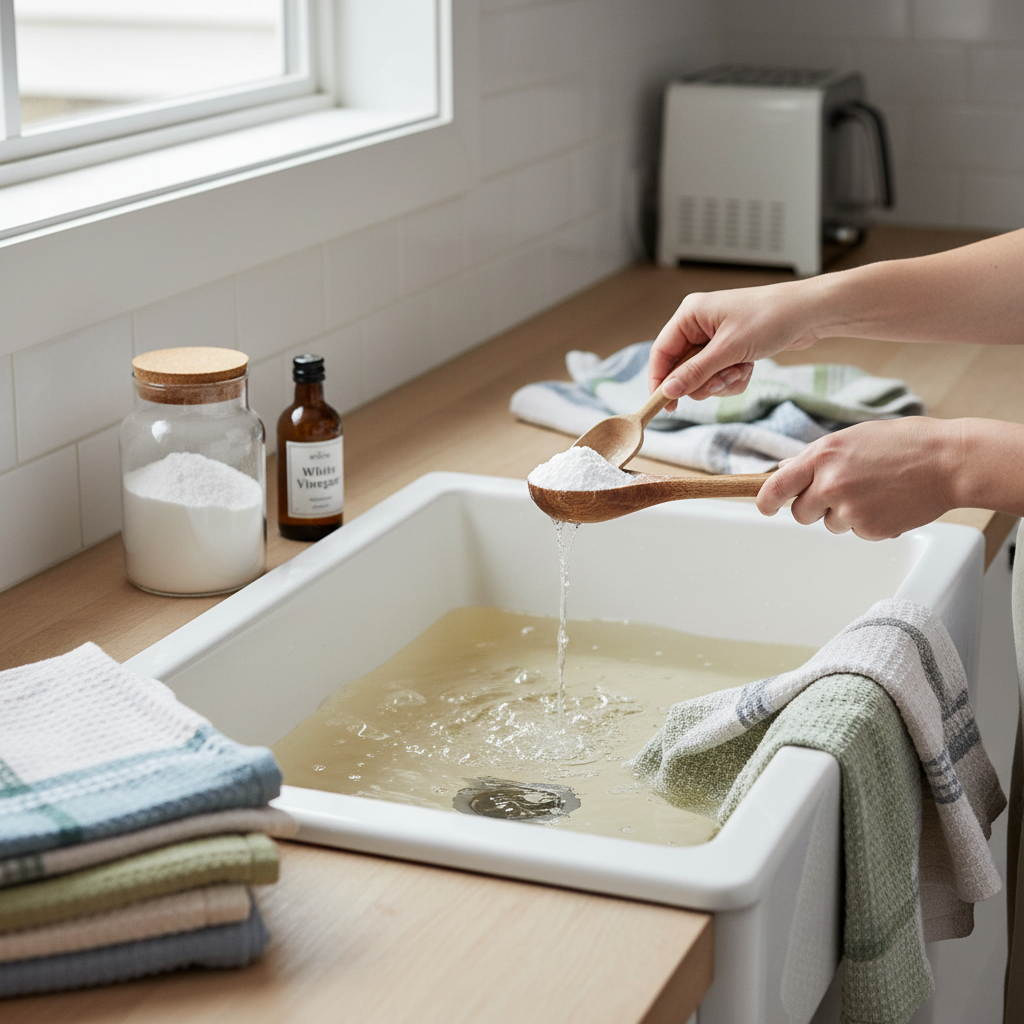
- Process: Fill a bathtub, large utility sink, or a very large basin with hot water. The hotter the water, the better the results. Add the washing soda, borax, and powdered detergent to the water and stir until fully dissolved. Add your clean, but still smelly, kitchen towels to the mixture, ensuring they are completely submerged. Let them soak for several hours, ideally 4-6 hours, or even overnight. Stir the towels occasionally with a long spoon or stick. You will likely be amazed (and a little disgusted) by the murky, discolored water, which is all the trapped residue being pulled from your towels.
- Rinse and Dry: Once the soaking is complete, drain the dirty water. Wring out the towels thoroughly and then run them through a rinse-only cycle in your washing machine, or wash them briefly with no detergent to ensure all stripping agents are removed. Finally, dry them completely in a hot dryer or in the sun. This technique is fantastic for giving your towels a fresh start and restoring their absorbency.
Harnessing the Power of Oxygen Boosters (OxiClean/Sodium Percarbonate)
Oxygen boosters, such as OxiClean, are excellent for tackling stains and odors without harsh chlorine bleach. They work by releasing oxygen when mixed with water, which helps to break down organic matter and neutralize smells.
- Instructions: For an effective odor removal treatment, fill a basin or your washing machine drum with the hottest water safe for your towels. Add a scoop or the recommended amount of an oxygen booster (like OxiClean) according to the product instructions. Submerge your smelly kitchen towels and let them pre-soak for at least 30 minutes, or for heavily soiled and stinky towels, soak them for several hours or overnight.
- Wash: After the pre-soak, proceed with a normal hot wash cycle using your regular laundry detergent. The oxygen booster pre-treatment will have significantly lifted the odor-causing particles, allowing the detergent to work more effectively.
- Advantage: This method is safe for colored towels, as it won’t strip their dyes like chlorine bleach might, making it a versatile option for all your kitchen linens. It’s particularly effective against food-related stains and general dinginess that often accompany stubborn odors.
Ammonia for Grease-Related Odors
If the funky smell in your kitchen towels leans towards a rancid, greasy aroma, ammonia can be a highly effective degreaser and odor eliminator. Ammonia cuts through oils that detergents sometimes struggle with, making it excellent for kitchen-specific grime.
- Use: Add 1 cup of clear, non-sudsing ammonia to your washing machine along with your regular laundry detergent. Load your smelly towels and run a hot water wash cycle. The ammonia will help break down the grease molecules embedded in the fabric fibers.
- Caution: It is absolutely crucial to never mix ammonia with chlorine bleach. The combination creates toxic fumes that are extremely dangerous to inhale. Ensure your washing machine is thoroughly rinsed and clear of any bleach products before adding ammonia. Always work in a well-ventilated area when using ammonia. This method is powerful for grease but requires careful handling and strict adherence to safety guidelines.
Preventing Funky Smells in Your Kitchen Towels
While effectively removing existing odors is essential, prevention is truly the best defense against funky kitchen towels. Incorporating a few simple habits into your routine can keep your towels smelling fresh and extend their lifespan.
- Immediate Drying is Key: The most critical step in preventing odor is to ensure your towels dry completely after every single use. Do not leave damp towels crumpled on the counter, draped over a faucet, or tossed into a laundry hamper. Instead, hang them neatly over a towel bar, oven handle, or a drying rack where they can air dry fully and quickly. Moisture is the number one friend of odor-causing bacteria and mildew.
- Hot Water Washing is a Must: Always wash kitchen towels in the hottest water temperature safe for their fabric, ideally 60°C (140°F) or hotter. Hot water is crucial for sanitizing and killing the bacteria, mold, and yeast that cause unpleasant smells. Cold water washes, while energy-efficient for some laundry, often don’t provide the microbial kill needed for frequently used and exposed kitchen linens.
- Avoid Overloading the Washing Machine: Give your towels room to move freely in the washing machine. Overloading prevents proper agitation, which means detergent can’t effectively clean the fabric, and rinse water can’t thoroughly wash away soil and soap residue. This trapped residue contributes to odors. Wash kitchen towels in smaller, dedicated loads if necessary.
- Use Less Detergent: It might seem counterintuitive, but using too much laundry detergent can actually make your towels smell worse over time. Excess detergent doesn’t fully rinse out, leaving a buildup that traps odors and creates a sticky film. Use only the recommended amount, or even slightly less, for your wash load size and water hardness.
- Ensure Good Ventilation: Proper air circulation in your kitchen and where towels are stored is vital. If your kitchen tends to be humid, open a window or use an exhaust fan while cooking. Similarly, ensure your linen closet or towel storage area is cool and dry. Avoid storing freshly washed towels in damp, enclosed spaces where moisture can re-introduce itself.
- Regular Replacement: Establish a routine for changing out kitchen towels and dishcloths frequently. Hand towels, which are used multiple times a day, should ideally be swapped out daily. Dishcloths and general-purpose kitchen towels might need to be changed every one to three days, depending on their usage. Having an ample supply of towels means you’re never forced to use a questionable one.
- Harness the Power of the Sun: If you have access to an outdoor space, hanging your freshly washed towels in direct sunlight to dry is incredibly beneficial. Sunlight is a natural disinfectant and deodorizer, thanks to its UV rays, which kill bacteria and bleach out stains, leaving towels smelling exceptionally fresh.
- Choose the Right Fabric: When buying new kitchen towels, opt for 100% cotton, especially terry cotton. Cotton is highly absorbent and, critically, it releases odors more easily during washing compared to synthetic blends. Synthetic fibers, while durable, can sometimes cling to oils and smells, making them harder to fully deodorize.
When to Say Goodbye: Knowing When to Replace
Despite your best efforts, there comes a time when even the most beloved kitchen towel needs to be retired. Knowing when to replace your towels is crucial for maintaining kitchen hygiene and ensuring your efforts in cleaning are effective.
First and foremost, if your towels consistently retain an unpleasant odor even after trying multiple intensive cleaning methods – such as vinegar and baking soda treatments, boiling, or laundry stripping – it’s a strong indicator that they may be beyond salvation. The fibers might be so saturated with embedded grease, bacteria, or detergent residue that they can no longer be truly sanitized. Continuing to use such towels only spreads germs and unpleasant smells.
Secondly, consider the physical condition of the towel. If they are visibly degraded, excessively stained, thin, torn, or frayed, their effectiveness is compromised. Worn-out towels lose their absorbency, making them less efficient at cleaning and drying. Stains that won’t budge can harbor bacteria, and frayed edges can snag and leave lint. While these might seem like minor imperfections, they signal a loss of functionality and hygiene.
Finally, for general hygiene and peace of mind, it’s wise to consider replacing kitchen towels periodically, even if they appear to be in reasonable condition. Depending on usage, many experts recommend replacing kitchen towels every 1 to 2 years. This ensures you’re always using fresh, absorbent, and truly clean linens in an environment where sanitation is paramount. Don’t feel guilty; relegate old towels to heavy-duty cleaning rags for non-food contact areas, or dispose of them responsibly. Investing in new, high-quality towels is an investment in your kitchen’s cleanliness and your family’s health.
Conclusion
Lingering, funky smells in your kitchen towels are more than just a nuisance; they can undermine your kitchen’s cleanliness and potentially harbor unseen bacteria. But as we’ve explored, you don’t need harsh chemicals or expensive replacements to tackle this common household issue. Armed with simple, effective DIY methods, you have the power to transform your smelly linens into fresh, hygienic essentials.
Remember the potent combination of white vinegar and baking soda for stripping away stubborn residue and neutralizing odors. Don’t underestimate the sanitizing power of hot water and even the boiling method for those deeply embedded smells. Crucially, preventing future funk starts with good habits: always allowing towels to dry completely, washing them in hot water with appropriate detergent amounts, and ensuring good ventilation. By consistently applying these tips, you’ll not only banish existing odors but also prevent them from returning. Your kitchen towels will thank you, and your kitchen will feel infinitely fresher.
What’s your ultimate secret weapon for keeping kitchen towels smelling wonderfully fresh?
Câu Hỏi Thường Gặp
Why do my kitchen towels smell like rancid oil?
Rancid oil smells typically occur when cooking grease and oils become deeply embedded in the towel fibers and are not completely washed out. Over time, these fats oxidize and break down, producing a distinct, unpleasant odor. Hot water, degreasing agents like ammonia, or a thorough laundry stripping can help break down these oil residues.
Can I use fabric softener on kitchen towels?
It’s generally not recommended to use fabric softener on kitchen towels. Fabric softeners can leave a waxy buildup on the fibers, which reduces their absorbency, making them less effective at drying and wiping. This residue can also trap odors more easily, contributing to the very problem you’re trying to solve.
How often should I wash kitchen towels?
For optimal hygiene, hand towels and dishcloths that are used daily should be washed every day or every other day. General-purpose kitchen towels, depending on their usage and how soiled they become, can typically be washed every two to three days. Frequent washing in hot water is key to preventing odor buildup and bacterial growth.
Is it safe to mix vinegar and baking soda in the same wash cycle?
While both vinegar and baking soda are excellent cleaning agents, mixing them directly in the same wash cycle or soak can cause them to neutralize each other, reducing their effectiveness. For best results, use them in separate cycles, as outlined in the “Separate Washes” method, or as a pre-soak (vinegar) followed by a regular wash.
What temperature kills bacteria on towels?
To effectively kill most bacteria, mold, and mildew on towels, wash them in hot water at a temperature of at least 60°C (140°F). Many modern washing machines have a “sanitize” or “hot” cycle that reaches these temperatures. Boiling towels for 10-15 minutes is another highly effective method for sterilization.