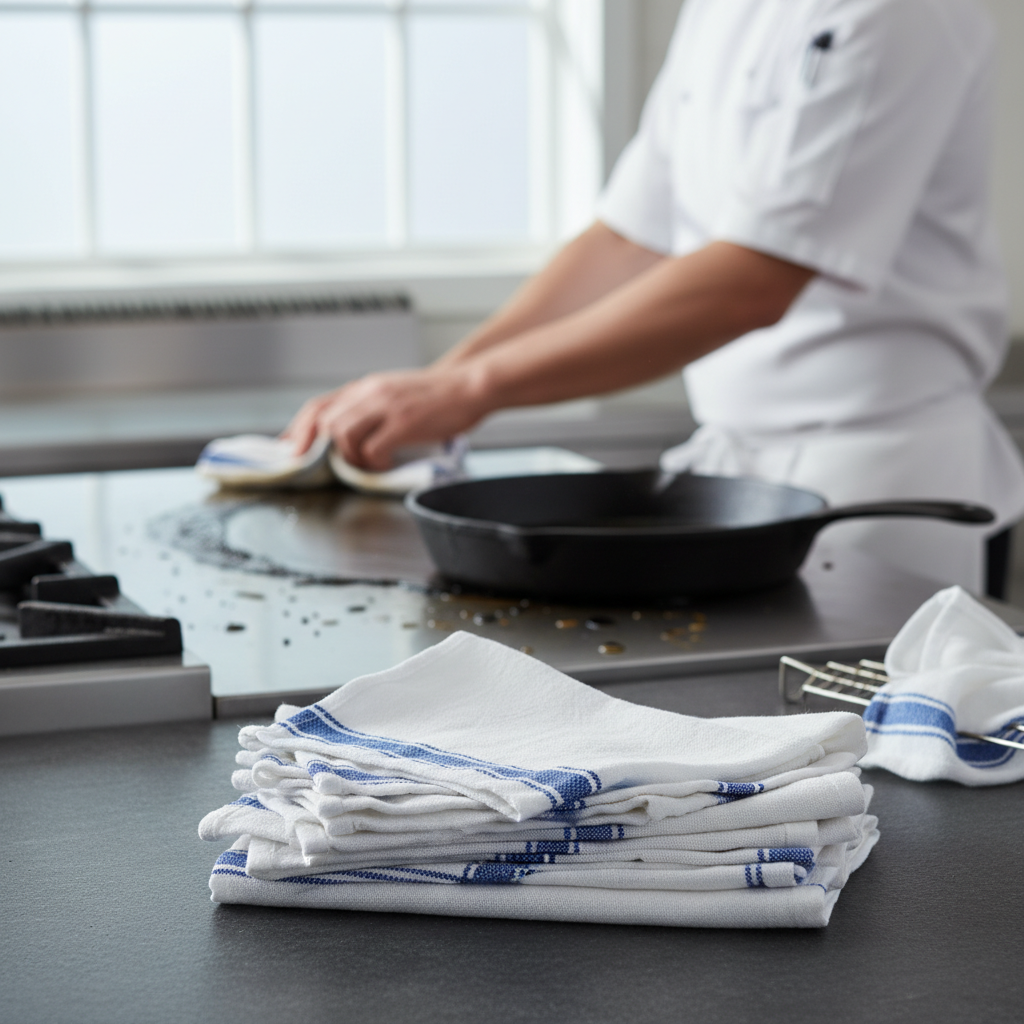
Handling raw meat in the kitchen is a daily reality for many home cooks. While the delicious outcome is well worth the effort, the process itself introduces a significant challenge: preventing the spread of harmful bacteria. Kitchen towels, often our first line of defense against spills and messes, can quickly become breeding grounds for pathogens if not properly treated after contact with raw meat juices. This comprehensive guide, informed by extensive experience in kitchenware and fabric care, will equip you with the knowledge and techniques to effectively clean and sanitize your kitchen towels, ensuring a safe and hygienic cooking environment.
Understanding the Risk: Why Raw Meat Contamination Matters
The kitchen, a hub of culinary creation, can also be a hidden hotbed for germs. Raw meat and poultry carry various bacteria such as Salmonella, Campylobacter, and E. coli, which, if transferred to other foods or surfaces, can lead to serious foodborne illnesses. Kitchen towels, by their very nature, are highly absorbent and frequently come into contact with these raw meat juices, making them primary culprits for cross-contamination.
Even after a quick rinse, these pathogens can linger, multiply in the damp fibers, and spread to countertops, utensils, and even other foods. Studies have shown that bacteria like Campylobacter can survive for up to 4 hours and Salmonella for up to 32 hours on contaminated surfaces, highlighting the persistent threat they pose. Therefore, understanding the necessity of stringent sanitization beyond mere cleaning is crucial for maintaining a healthy kitchen.
The Two-Step Approach: Clean First, Then Sanitize
Effective kitchen hygiene, especially after handling raw meat, relies on a critical two-step process: cleaning followed by sanitizing. Many people mistakenly believe that a quick wash is enough, but these two actions serve distinct purposes in eliminating bacteria and preventing illness.
Cleaning is the essential first step, focusing on the physical removal of dirt, food debris, and some bacteria from the towel’s surface. This typically involves using hot, soapy water and a good scrubbing action. While cleaning significantly reduces the bacterial load, it does not kill all the microorganisms that could cause foodborne illness. Think of cleaning as preparing the surface for the next, more potent step.
Sanitizing, on the other hand, is the crucial second step that actively kills the remaining bacteria to a safe level. This step is what truly makes a contaminated towel safe for reuse. Without proper sanitization, even a visibly clean towel can still harbor harmful pathogens.
Effective Methods for Sanitizing Kitchen Towels
Once your kitchen towels have come into contact with raw meat, they require immediate and thorough sanitization. Here are the most effective methods to ensure they are safe for future use:
The Washing Machine Method
For most fabric kitchen towels, the washing machine is your most convenient and effective tool for sanitization.
- Hot Wash Cycle: Wash contaminated towels on the hottest possible cycle your fabric can withstand. The UK government recommends a hot wash cycle of 90°C (194°F) with laundry detergent to effectively sanitize tea towels. High temperatures are key to killing bacteria.
- Laundry Detergent: Modern laundry detergents contain powerful ingredients like hard water softeners, surfactants, detergents, bleaches, and digestive enzymes. These components work together to break down protein, fat, and carbohydrate stains, which are often involved in bacterial attachment, helping to detach and reduce bacteria levels.
- Separate Load: Ideally, wash heavily contaminated towels in a separate load from other laundry to prevent any potential cross-contamination.
|
Our Picks for the Best Kitchen towel in 2026
As an Amazon Associate I earn from qualifying purchases.
|
||
| Num | Product | Action |
|---|---|---|
| 1 | Miss Adola Flour Sack Kitchen Towels - Set of 2 Chinoiserie Dish Towels with Hanging Loop 18x26 Inch Absorbent Decorative Cotton Tea Towel Blue and White Dishcloths for Cleaning, Bird Flower |

|
| 2 | Premium Kitchen Towels (20”x 28”, 6 Pack) | Large Cotton Dish Towels | Flat & Terry Highly Absorbent Kitchen Linen Set with Hanging Loop | Gray |
|
| 3 | Sparkle Pick-A-Size Paper Towels, 6 Double Rolls (660 Sheets Total) - Strong 2-Ply Towels for Kitchen Cleanup and Everyday Messes |
|
| 4 | Bounty Quick Size Paper Towels, White, 8 Family Rolls |
|
| 5 | Bounty Quick-Size Paper Towels, White, 8 Family Triple Rolls = 27 Regular Rolls |
|
| 6 | Miss Adola 2pcs Microfiber Kitchen Towels - Boho Kitchen Towels Set of 2 with Hanging Loop Decorative Absorbent 18x26 Inch Hand Towel Colorful Design Dish Cloth for Housewarming Gift, Mandala |
|
| 7 | LANE LINEN Cotton Kitchen Towels Set, 6-Pack – Absorbent, Quick-Drying Dish Towels, 18" x 28", Premium Hand and Tea Towels - Olive |
|
| 8 | Bounty Paper Towels Quick Size, White, 16 Family Rolls = 40 Regular Rolls |
|
| 9 | Scott Paper Towels, Choose-A-Sheet, 6 Double Rolls = 12 Regular Rolls (108 Sheets Per Roll) |
|
| 10 | Homaxy 100% Cotton Waffle Weave Kitchen Dish Cloths, Ultra Soft Absorbent Quick Drying Dish Towels, 12 x 12 Inches, 6-Pack, Dark Grey |
|
The Bleach Solution Method
If a washing machine hot cycle isn’t feasible or for an extra layer of disinfection, a bleach solution is highly effective.
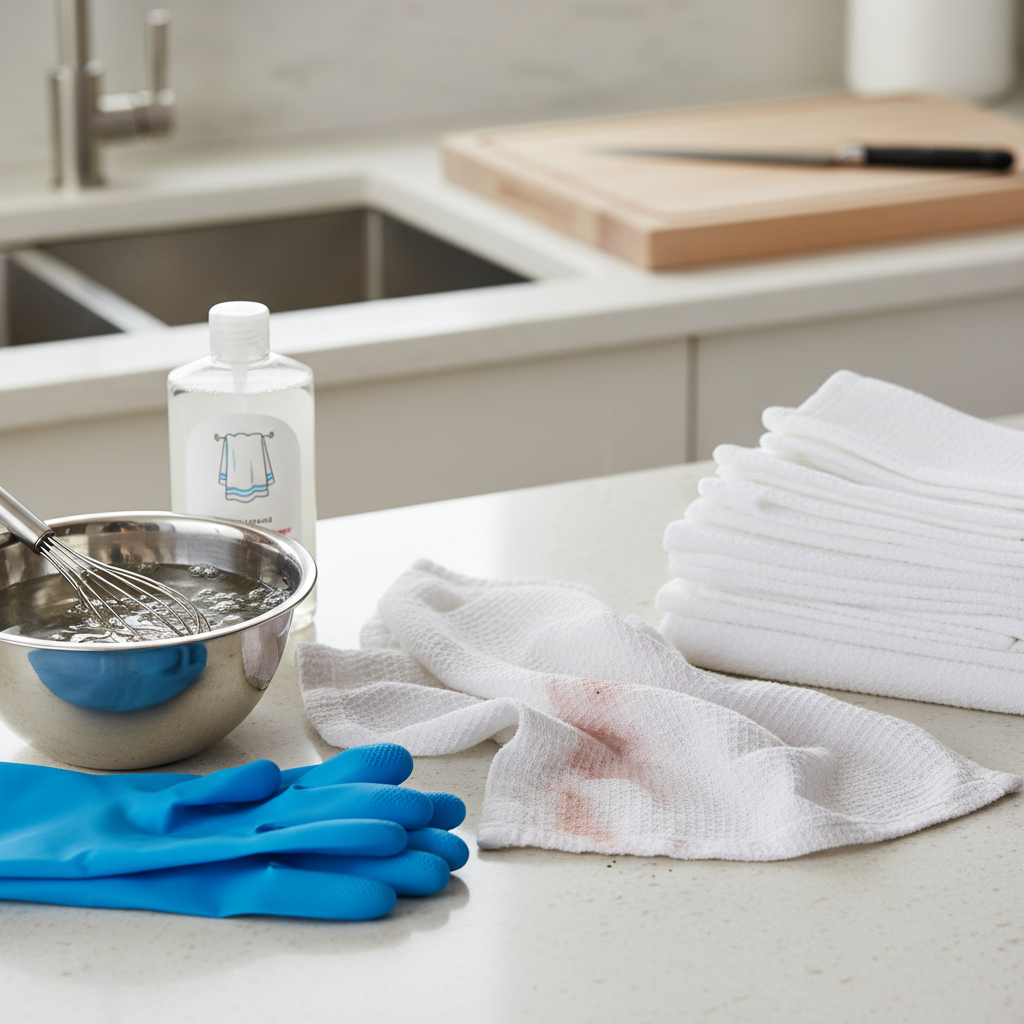
- Preparation: Create a sanitizing solution by mixing one tablespoon of liquid chlorine bleach per gallon of water. Ensure the bleach is suitable for laundry use and follow manufacturer guidelines for proper handling.
- Soaking: After a thorough initial wash with soap and water to remove visible grime, submerge the towels completely in the bleach solution.
- Contact Time: Allow the towels to soak for at least 5 minutes to ensure adequate contact time for the bleach to kill bacteria.
- Rinsing: After soaking, thoroughly rinse the towels with clean water to remove any bleach residue before drying.
- Caution: Always wear gloves when handling bleach and ensure good ventilation. Avoid using bleach on colored towels unless specifically designed for color-safe bleaching, as it can cause discoloration.
The Boiling Method
Boiling is a simple yet powerful method for sanitizing resilient kitchen towels like those made from cotton or linen.
- Pre-clean: First, rinse the towels thoroughly under hot water with detergent to remove any visible food particles or raw meat residue.
- Boil: Place the pre-cleaned towels in a large pot of boiling water.
- Simmer: Allow them to boil vigorously for at least 5-10 minutes. The sustained high temperature will kill most harmful bacteria.
- Cool and Dry: Carefully remove the towels using tongs, allow them to cool, and then wring them out before drying.
Ironing for Extra Assurance
For an additional layer of sanitization, especially for dishcloths that are not regularly exposed to very high washing temperatures, ironing can be effective.
- High Heat: Ironing dishcloths on a hot setting, ensuring the temperature is above 90°C (194°F), will effectively sanitize them by applying direct heat. This method works best on natural fibers that can withstand high heat.
Beyond Sanitization: Best Practices for Kitchen Towel Use
Proper sanitization is only one part of maintaining kitchen hygiene. How you use and care for your kitchen towels daily significantly impacts food safety.
Designated Towels or Disposable Options
To minimize the risk of cross-contamination, consider dedicating specific towels for tasks involving raw meat. Even better, use disposable paper towels for wiping up raw meat juices and then immediately discard them. This eliminates the risk entirely.
Frequent Washing and Drying
Kitchen towels used for raw meat cleanup should be washed and sanitized immediately after each use. For general kitchen tasks, aim to clean and thoroughly dry your kitchen towels at least once a day. A damp towel in a warm kitchen provides an ideal breeding ground for bacteria to multiply. Hang towels to air dry completely rather than crumpling them, as this significantly reduces bacterial growth.
Proper Storage
Store laundered and completely dry kitchen towels in a clean, dry area, away from any uncooked food or grubby hands. Proper storage helps prevent re-contamination before use.
When to Replace Towels
Even with diligent cleaning and sanitizing, kitchen towels don’t last forever. Over time, fibers can degrade, and they may become less effective at absorbing or more prone to harboring bacteria. Replace your kitchen towels regularly, typically every few months, or sooner if they show signs of wear, unpleasant odors, or permanent staining.
Choosing the Right Kitchen Towels for Food Safety
The material of your kitchen towel plays a role in its effectiveness and ease of sanitization.
- Cotton Towels: These are highly absorbent, durable, and can withstand high washing temperatures, making them an excellent choice for general kitchen tasks and for sanitizing after raw meat contact.
- Microfiber Towels: Known for their superior cleaning ability, microfiber can be effective for wiping. However, ensure they can tolerate high heat washing for proper sanitization, as some microfiber blends may be sensitive to very hot water.
- Bamboo Towels: Often marketed as eco-friendly and naturally antimicrobial, bamboo towels are absorbent. However, their sanitization should still involve high heat or bleach for raw meat contamination, as natural antimicrobial properties alone may not be sufficient for severe bacterial threats.
- Disposable Paper Towels: These are undoubtedly the safest option for dealing with raw meat messes. Use them once and discard them, completely eliminating the risk of cross-contamination.
Conclusion
Mastering the art of sanitizing your kitchen towels after a raw meat mess is not just a chore; it’s a fundamental aspect of maintaining a safe and healthy kitchen. By understanding the distinction between cleaning and sanitizing, consistently applying high-heat washing, bleach solutions, or boiling, and adopting best practices like designated towels and proper drying, you can effectively combat harmful bacteria. Your vigilance in these steps safeguards your family from foodborne illnesses and keeps your kitchen a clean, enjoyable space for culinary adventures.
What are your go-to methods for keeping your kitchen towels hygienically clean?
Frequently Asked Questions
Can I use vinegar to sanitize kitchen towels after raw meat?
While vinegar is a good natural cleaner and can inhibit some bacteria, it is generally not recommended as a primary sanitizing agent for towels contaminated with raw meat juices. For pathogens like Salmonella and E. coli, high heat (like boiling or a hot wash cycle) or a bleach solution is significantly more effective at killing harmful bacteria to safe levels.
How often should I change kitchen towels used for raw meat?
Kitchen towels used to wipe up raw meat juices should be immediately removed and prepared for sanitization after each use. For general kitchen tasks, towels should be changed and washed daily, or more frequently if they become noticeably soiled or damp.
What temperature kills Salmonella on towels?
Temperatures of 90°C (194°F) or higher, such as those achieved in a hot washing machine cycle, by boiling, or by hot ironing, are effective at killing Salmonella and other foodborne bacteria on kitchen towels. It’s crucial that the temperature is maintained for a sufficient duration during the sanitization process.