Have your once-fluffy towels become stiff, scratchy, and less absorbent? Do they carry a lingering musty odor even after a fresh wash? You’re not alone. Over time, towels can accumulate a stubborn build-up of residues that regular washing can’t tackle. This comprehensive guide will walk you through the effective process of laundry stripping, a DIY method to restore your old towels to their former glory, making them soft, fresh, and highly absorbent again.
What is Laundry Stripping?
Laundry stripping is a deep-cleaning technique designed to remove accumulated residue from textiles, particularly towels and sheets. This residue often consists of leftover detergent, fabric softener, minerals from hard water, and even natural body oils or dead skin cells. These elements can become trapped within the fibers, creating a waxy coating that diminishes absorbency, causes stiffness, and harbors unpleasant odors.
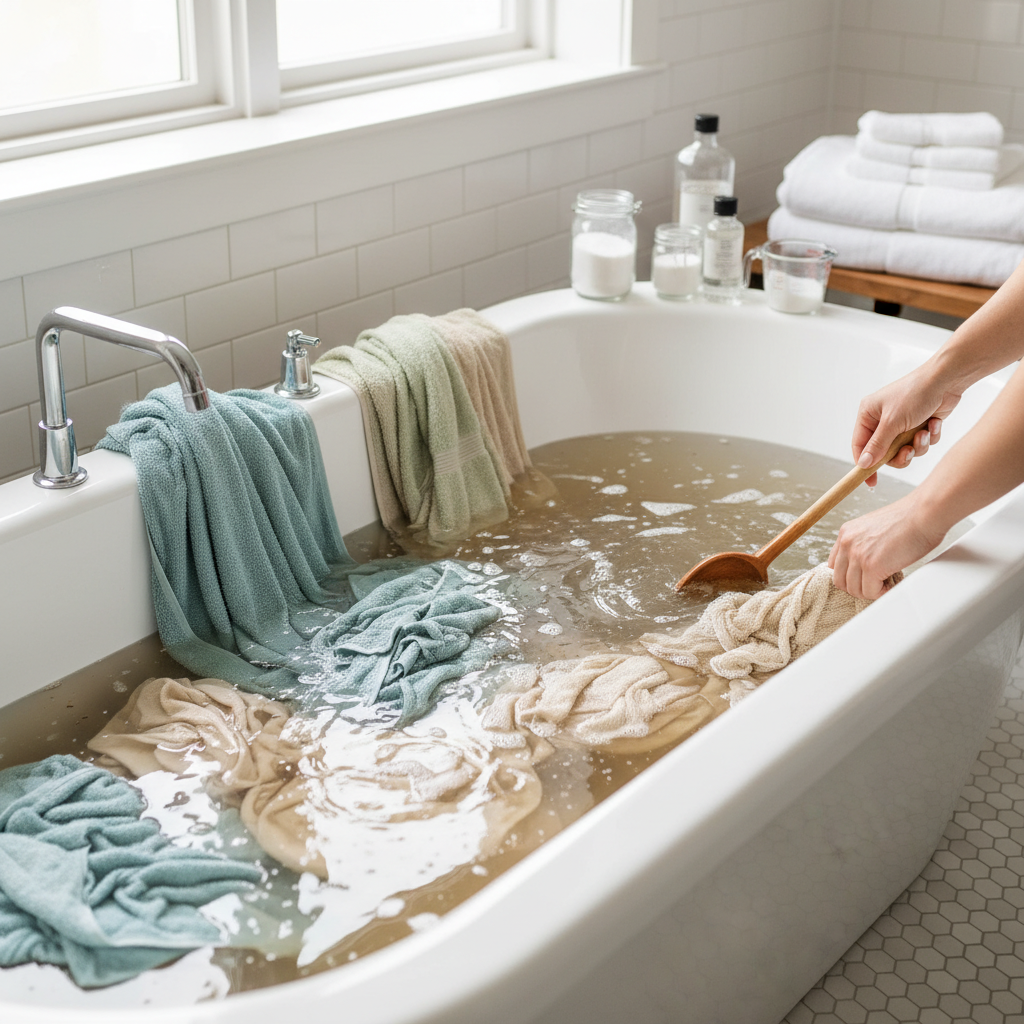
The process involves soaking supposedly “clean” laundry in a potent mixture of cleaning agents and very hot water for several hours. The magic happens as the trapped grime and chemicals are released into the water, often resulting in surprisingly murky, discolored water that confirms just how much build-up was hidden in your fabrics.
Why You Need to Strip Laundry Build-Up from Towels
The effects of laundry build-up go beyond mere aesthetics. If your towels are suffering from this common issue, you’re likely experiencing several drawbacks:
- Reduced Absorbency: The waxy film left by fabric softeners and excess detergent actively repels water, making your towels ineffective at drying you off after a shower. Instead of absorbing moisture, they simply push it around.
- Lingering Odors: Trapped residues can become a breeding ground for bacteria and mildew, leading to a persistent musty smell that no amount of regular washing seems to eliminate.
- Stiffness and Scratchiness: The accumulated grime and mineral deposits harden towel fibers, transforming soft, plush towels into rough, abrasive ones that feel unpleasant against the skin.
- Dingy Appearance: Over time, the build-up can cause towels to lose their brightness, appearing dull or discolored, especially white towels that take on a grayish or yellowish tint.
- Extended Lifespan: By removing these damaging residues, laundry stripping can rejuvenate your towels, extending their usable life and saving you money on frequent replacements.
Ultimately, laundry stripping isn’t just about cleaning; it’s about restoring the fundamental performance and comfort of your towels.
DIY Laundry Stripping Methods for Towels
There are a couple of popular DIY methods for laundry stripping, depending on the tools you have available and your preference for hands-on involvement.
Method 1: The Bathtub Soak (Classic Stripping)
This is the traditional and often most dramatic method, as it allows you to visibly see the “dirt” being stripped from your towels.
What You’ll Need:
- Hot Water: As hot as your tap can get.
- Borax: Sodium borate, a natural mineral cleaner.
- Washing Soda: Sodium carbonate (ensure it’s not baking soda). This boosts detergent performance.
- Powdered Laundry Detergent: Your regular powdered detergent (avoid bleach-containing detergents if stripping colored items).
- A Bathtub or Large Basin: Cleaned thoroughly beforehand.
- Gloves: Recommended for handling the hot water and cleaning solution.
- A Stirring Utensil: A long spoon or stick.
Step-by-Step Instructions:
- Prepare Your Towels: Gather the towels you wish to strip. For best results, strip a single color load (e.g., all white towels, all dark towels) to prevent dye transfer in the hot water soak. Ensure these towels have already been laundered in a regular wash cycle.
- Fill the Tub: Fill your bathtub or large basin about one-third to half full with the hottest water possible from your tap. The water needs to be hot enough to effectively dissolve the cleaning agents and penetrate the towel fibers.
- Add Ingredients: Sprinkle in the stripping ingredients directly into the hot water. A common ratio for a standard bathtub is:
- ¼ cup Borax
- ¼ cup Washing Soda
- ½ cup Powdered Laundry Detergent
Stir the water vigorously with your utensil until all the powders are completely dissolved.
Our Picks for the Best Kitchen towel in 2026As an Amazon Associate I earn from qualifying purchases.Num Product Action 1 Premium Kitchen Towels (20”x 28”, 6 Pack) | Large Cotton Dish Towels | Flat & Terry Highly Absorbent Kitchen Linen Set with Hanging Loop | Gray 
2 Miss Adola 2pcs Microfiber Kitchen Towels - Boho Kitchen Towels Set of 2 with Hanging Loop Decorative Absorbent 18x26 Inch Hand Towel Colorful Design Dish Cloth for Housewarming Gift, Mandala
3 Homaxy 100% Cotton Waffle Weave Kitchen Dish Cloths, Ultra Soft Absorbent Quick Drying Dish Towels, 12 x 12 Inches, 6-Pack, Dark Grey
4 Bounty Paper Towels Quick Size, White, 16 Family Rolls = 40 Regular Rolls
5 Bounty Quick Size Paper Towels, White, 8 Family Rolls
6 Scott Paper Towels, Choose-A-Sheet, 6 Double Rolls = 12 Regular Rolls (108 Sheets Per Roll)
7 Miss Adola Flour Sack Kitchen Towels - Set of 2 Chinoiserie Dish Towels with Hanging Loop 18x26 Inch Absorbent Decorative Cotton Tea Towel Blue and White Dishcloths for Cleaning, Bird Flower
8 Sparkle Pick-A-Size Paper Towels, 6 Double Rolls (660 Sheets Total) - Strong 2-Ply Towels for Kitchen Cleanup and Everyday Messes
9 Bounty Quick-Size Paper Towels, White, 8 Family Triple Rolls = 27 Regular Rolls
10 LANE LINEN Cotton Kitchen Towels Set, 6-Pack – Absorbent, Quick-Drying Dish Towels, 18" x 28", Premium Hand and Tea Towels - Olive
- Submerge Towels: Carefully add your “clean” towels to the solution, ensuring they are fully submerged. You may need to press them down with your stirring stick.
- Soak: Allow the towels to soak for a minimum of 4-6 hours, or until the water has cooled completely. During this time, stir the towels occasionally (every hour or so) to help release the embedded grime. Prepare to be amazed (and possibly a little disgusted) as the water turns murky and discolored, indicating the build-up being pulled from your fabrics.
- Drain and Rinse: Once the soaking is complete, drain the dirty water. Carefully wring out your towels to remove as much of the stripping solution as possible.
- Final Wash: Transfer the stripped towels to your washing machine. Run a full wash cycle using only hot water and no additional detergent or fabric softener. An extra rinse cycle is highly recommended to ensure all residues are thoroughly flushed out.
- Dry: Dry your towels completely according to their care instructions. For optimal fluffiness and to prevent further build-up, avoid using dryer sheets.
Method 2: Washing Machine Stripping (Simplified)
For those who prefer a less hands-on approach or don’t have access to a large basin, your washing machine can also be used for a simplified stripping method. This method uses different, readily available ingredients.
What You’ll Need:
- White Distilled Vinegar
- Baking Soda
- Hot Water: Your washing machine’s hottest setting.
Step-by-Step Instructions:
- First Wash Cycle: Load your towels into the washing machine. Add 1 cup of white distilled vinegar to the detergent dispenser. Run a full wash cycle using the hottest water setting. Do not add any detergent or fabric softener during this cycle.
- Second Wash Cycle: Once the first cycle is complete, leave the towels in the machine. Add ½ to ¾ cup of baking soda directly to the wash drum (sprinkle it over the towels). Run another full wash cycle on the hottest water setting, again without any other additives.
- Dry: Remove the towels and dry them as usual. The combination of vinegar and baking soda in separate cycles helps break down residues and refresh the fibers.
Table: Comparing Stripping Methods
| Feature | Bathtub Soak (Classic) | Washing Machine (Simplified) |
|---|---|---|
| Ingredients | Borax, Washing Soda, Powdered Detergent | White Vinegar, Baking Soda |
| Equipment | Bathtub/Large Basin | Washing Machine |
| Time Required | 4-6 hours soak + 1 wash cycle | 2 consecutive wash cycles |
| Effectiveness | Very thorough; visibly removes heavy buildup | Effective for lighter buildup and routine refresh |
| Effort | More hands-on, requires stirring | Less hands-on |
| Visual Result | Dark, murky water clearly shows residue | No visible residue removal during process |
How to Prevent Laundry Build-Up on Towels
Once you’ve stripped your towels and brought them back to life, the key is to prevent the build-up from happening again. Implement these simple changes into your regular laundry routine:
- Use Less Detergent: Overdosing on detergent is a primary cause of residue. Use only half the recommended amount for most loads, or adjust based on load size and soil level.
- Ditch Fabric Softener and Dryer Sheets: These products coat towel fibers with a waxy layer, reducing absorbency and causing stiffness. For natural softness, add ½ cup of white vinegar to your washer’s fabric softener dispenser during the rinse cycle.
- Wash in Appropriate Water Temperature: White and light-colored towels benefit from hot water to sanitize and maintain brightness. For dark-colored towels, warm water is usually sufficient to prevent fading while still cleaning effectively.
- Don’t Overload the Washer: Give your towels plenty of room to tumble and rinse properly. An overstuffed machine won’t clean or rinse effectively, leaving more residue behind.
- Wash Towels Separately: To prevent lint transfer and allow for optimal cleaning conditions, wash towels in dedicated loads, separated by color.
- Dry Properly: Avoid over-drying, which can damage fibers and make towels stiff. Remove towels promptly from the dryer once they are dry. Using wool dryer balls can help fluff towels and reduce drying time without added chemicals.
Top Picks – Recommended Products for Towel Care
While there aren’t specific “top pick” towel brands relevant to stripping, these are the essential products you’ll need for effective laundry stripping and ongoing towel care:
- Borax (20 Mule Team Borax): A versatile laundry booster that helps remove tough stains and odors.
- ARM & HAMMER Super Washing Soda: A natural detergent booster and cleaner that helps lift dirt and grime.
- Powdered Laundry Detergent: Choose a high-quality powdered detergent, preferably one without excessive dyes or fragrances for stripping.
- White Distilled Vinegar: An excellent natural fabric softener and residue cutter.
Tips for Maintaining Fresh and Soft Towels
Beyond stripping and prevention, consistent care is crucial for long-lasting, plush towels:
- Wash Regularly: Aim to wash bath towels every 3-4 uses, and kitchen towels more frequently due to higher exposure to grease and food.
- Shake Them Out: Before putting wet towels into the dryer, give each one a vigorous shake. This helps to loosen the fibers and improve air circulation, contributing to fluffiness.
- Ensure Air Circulation: Hang towels flat or on a bar (not bunched on a hook) after each use to allow them to dry completely, preventing mildew and odors.
- Re-Strip as Needed: Depending on your water hardness and laundry habits, you might need to re-strip your towels every 3-6 months, or whenever you notice them losing their absorbency, softness, or freshness.
“Many people are surprised by what comes out of their ‘clean’ towels during stripping. It’s a clear indicator that routine washing, while important, often isn’t enough to fully refresh deeply embedded fibers.”
Conclusion
Say goodbye to stiff, smelly, and non-absorbent towels. Laundry stripping is a powerful, DIY solution that can breathe new life into your old linens by tackling the invisible build-up that accumulates over time. By understanding the causes of this residue and implementing either the classic bathtub soak or the simplified washing machine method, you can restore your towels to their plush, fresh, and functional best. Couple this deep cleaning with mindful daily laundry habits – less detergent, no fabric softener, and proper drying – and you’ll enjoy soft, absorbent towels for years to come.
Are you ready to witness the satisfying transformation of your towels? Give laundry stripping a try and rediscover the joy of truly clean linens!
Câu Hỏi Thường Gặp
What is the dark water from laundry stripping?
The dark or murky water observed during laundry stripping is a visual representation of the accumulated residues being pulled out of your towels. This includes old detergent and fabric softener, mineral deposits from hard water, body oils, sweat, and trapped dirt that regular washing cycles couldn’t remove. It’s a satisfying sign that the stripping process is working effectively.
How often should I strip my towels?
The frequency for stripping towels depends on several factors, including your water hardness, laundry habits (e.g., how much detergent/softener you use), and how frequently the towels are used. A general recommendation is every 3 to 6 months, or whenever you notice your towels becoming stiff, less absorbent, or developing a persistent musty smell.
Can I strip colored towels?
Yes, you can strip colored towels, but it’s crucial to exercise caution. Always test a small, inconspicuous area first to ensure colorfastness. It’s also highly recommended to strip colored towels in a separate batch from white towels to prevent any potential dye transfer, especially given the use of hot water in the stripping process.
Is laundry stripping safe for all fabrics?
Laundry stripping is generally safe for durable, colorfast fabrics that can withstand hot water, such as cotton towels, sheets, and workout clothes. However, it is not recommended for delicate fabrics, wool, silk, or items that are not colorfast, as the hot water and strong cleaning agents could cause damage, fading, or shrinking. Always check care labels before stripping.